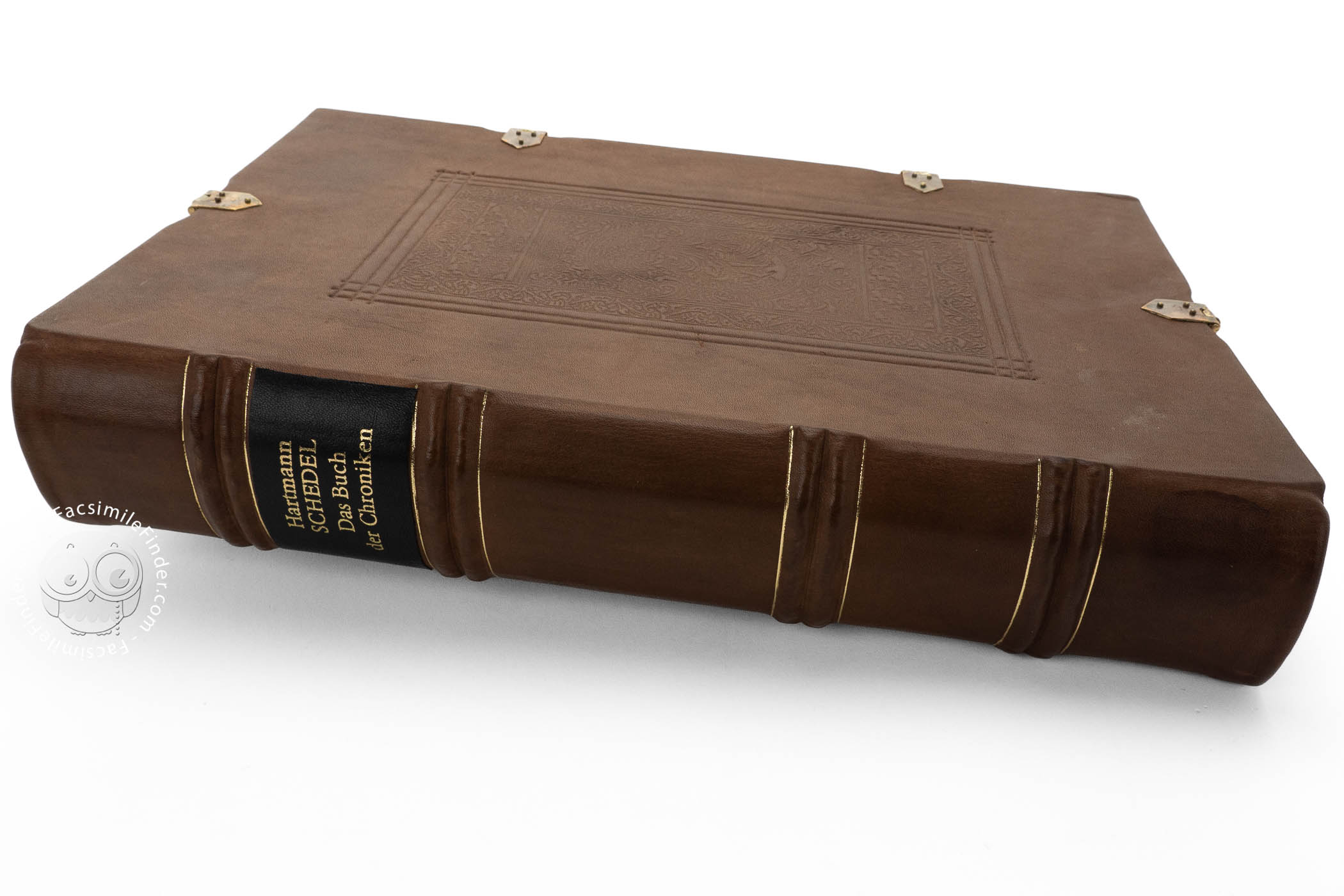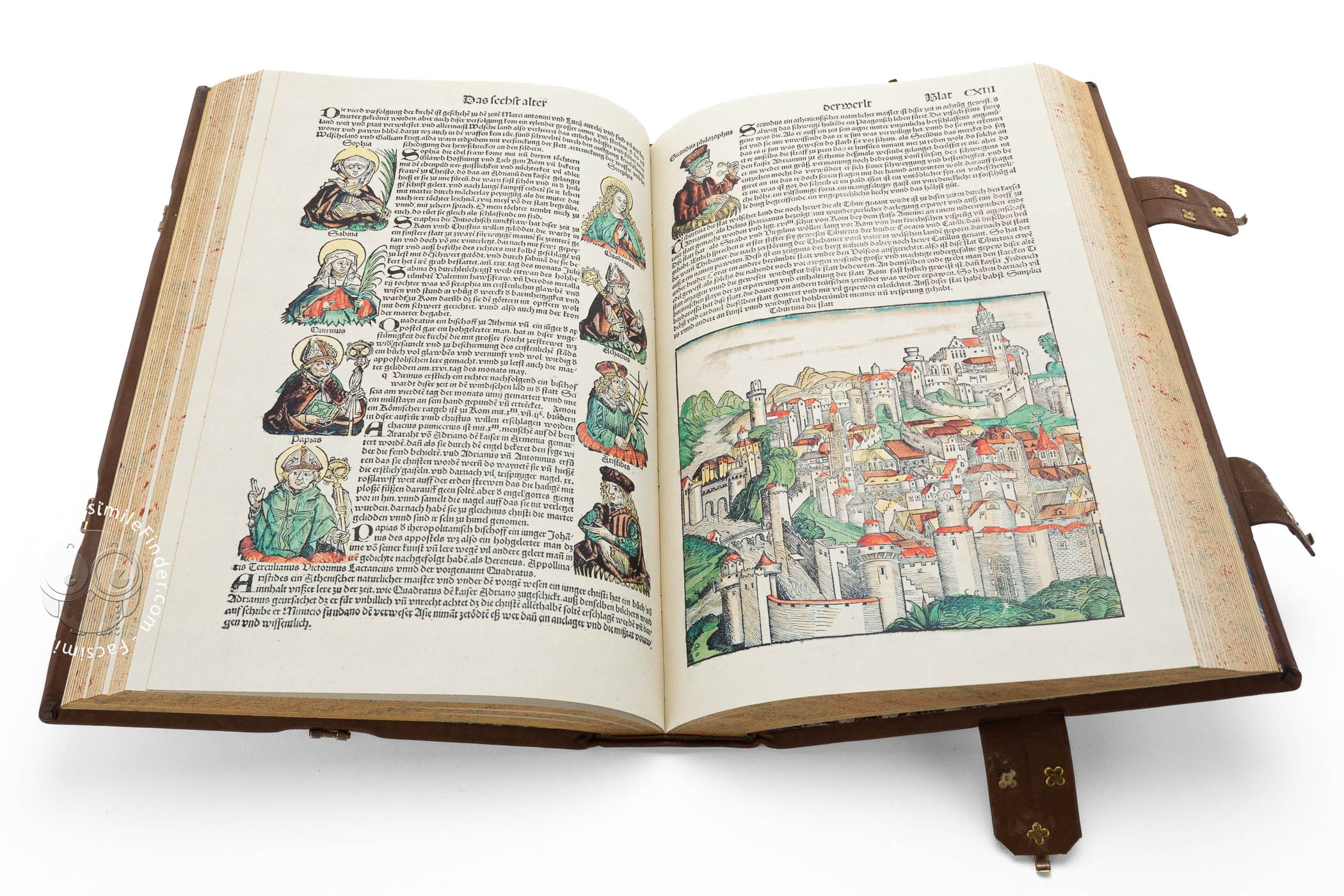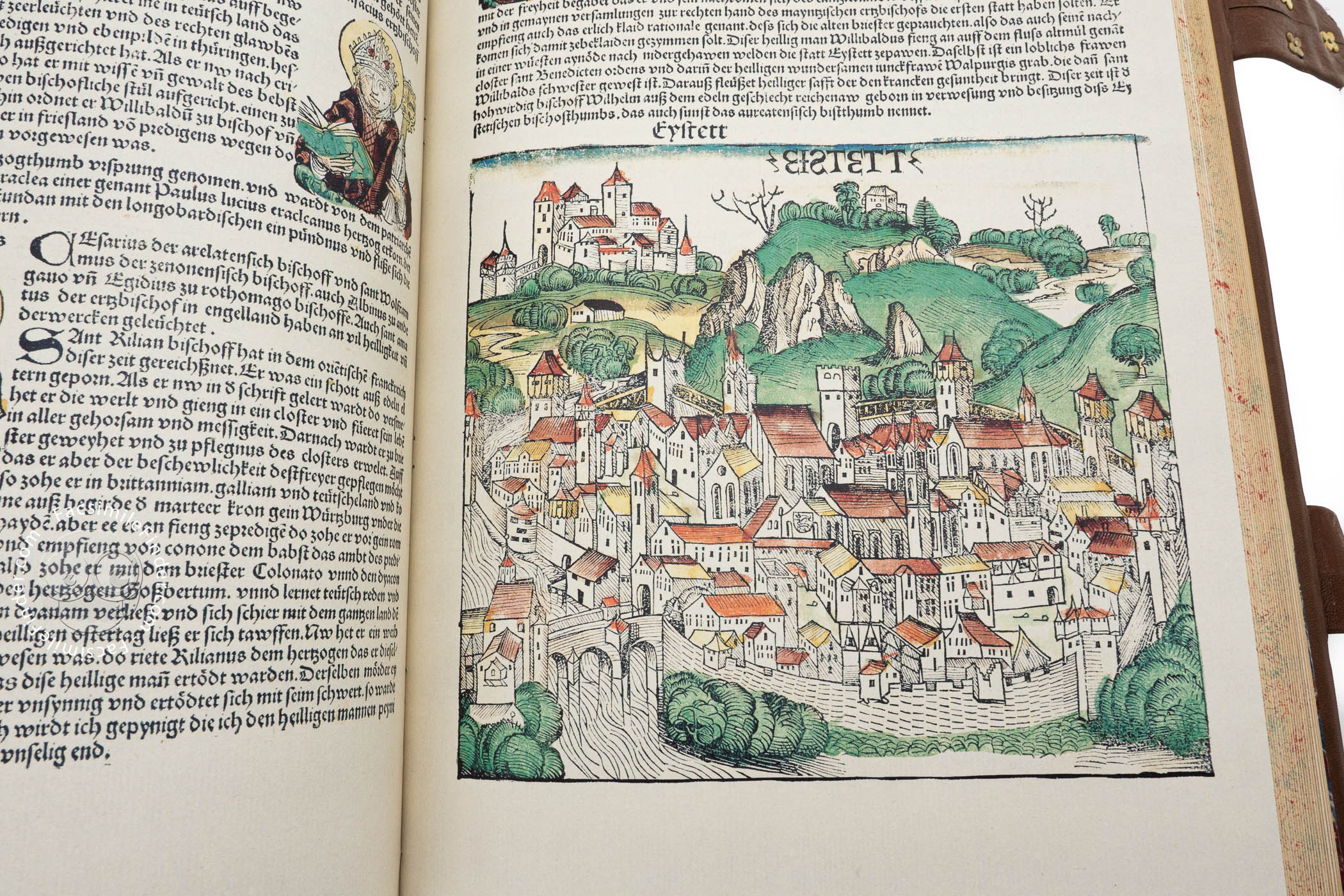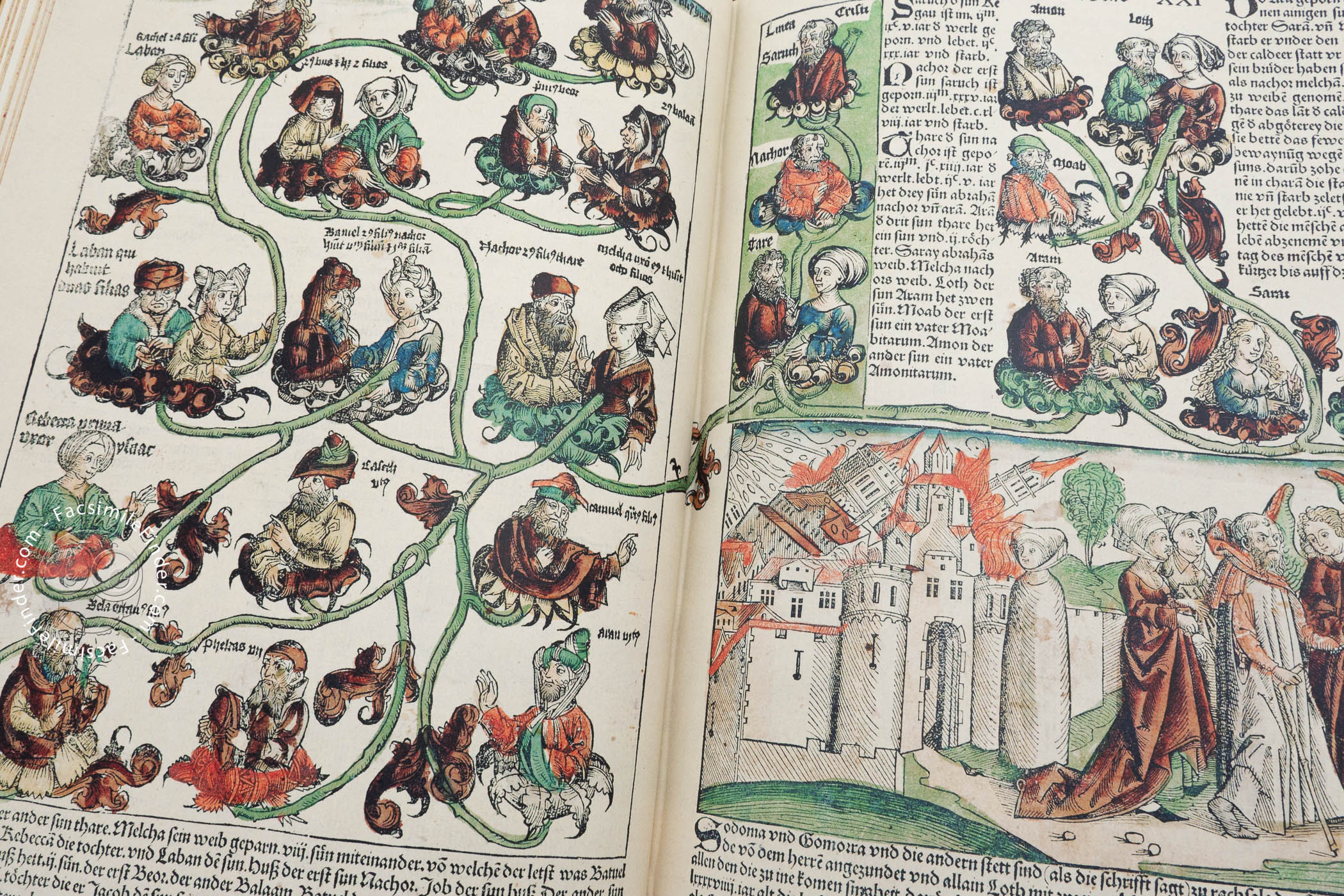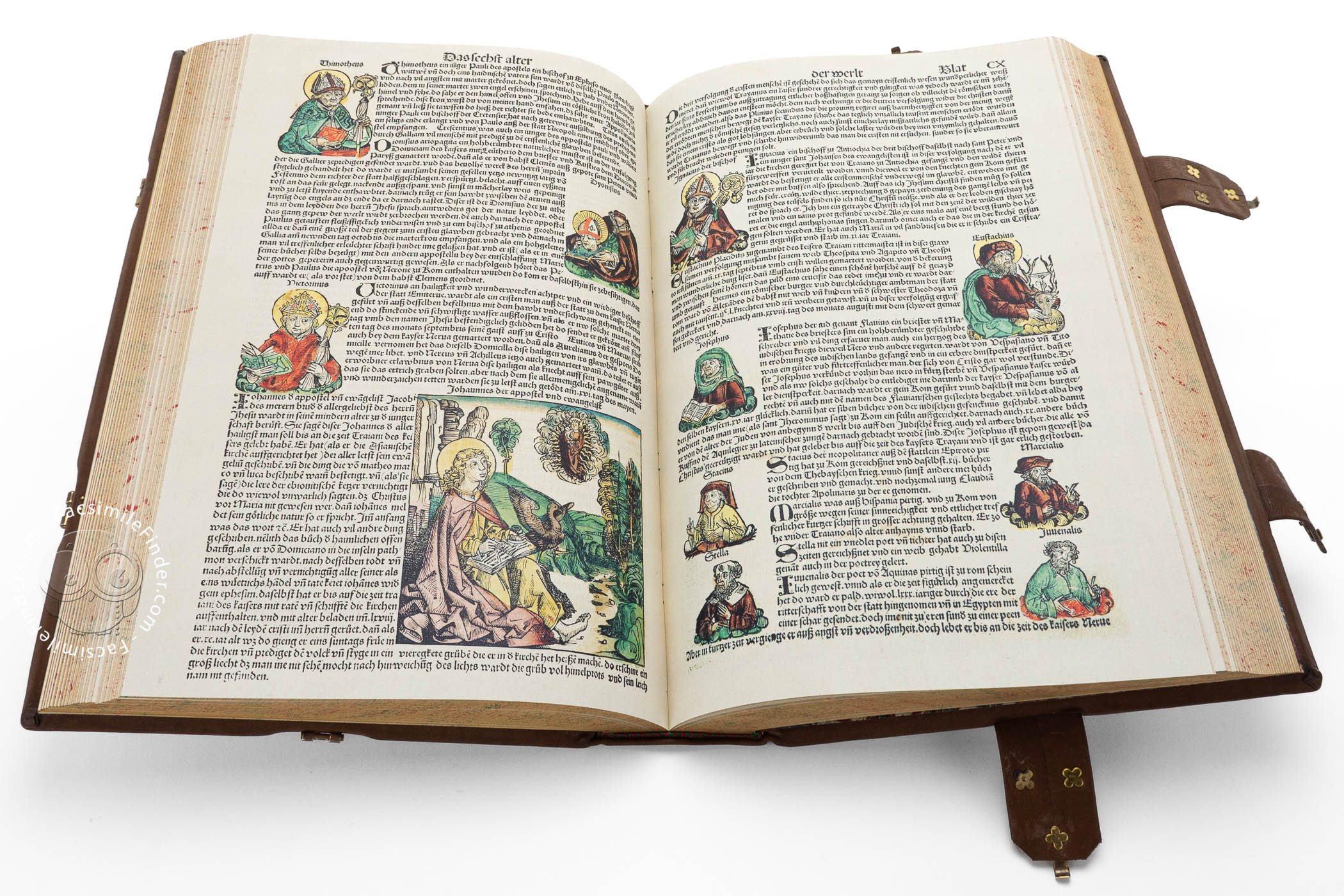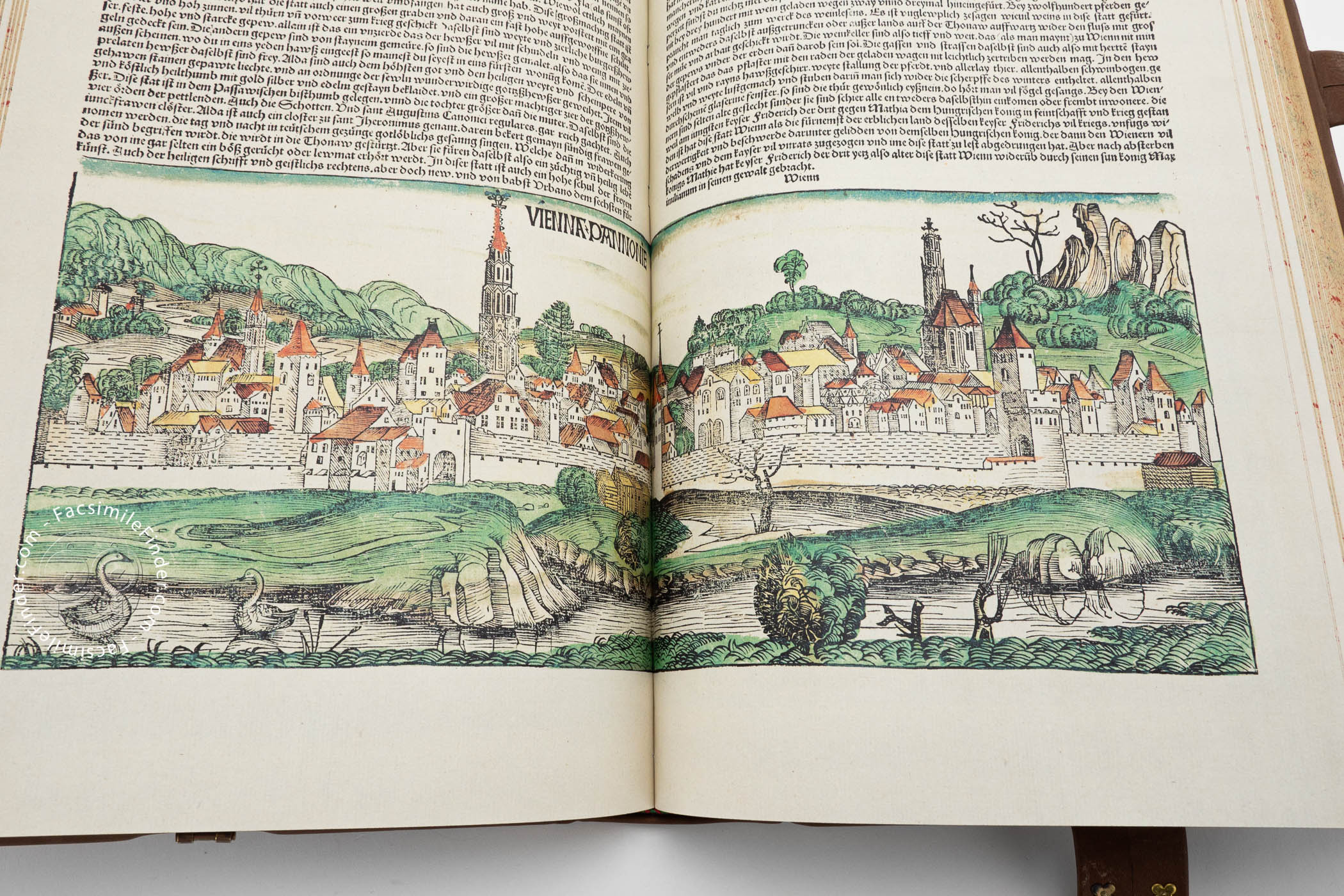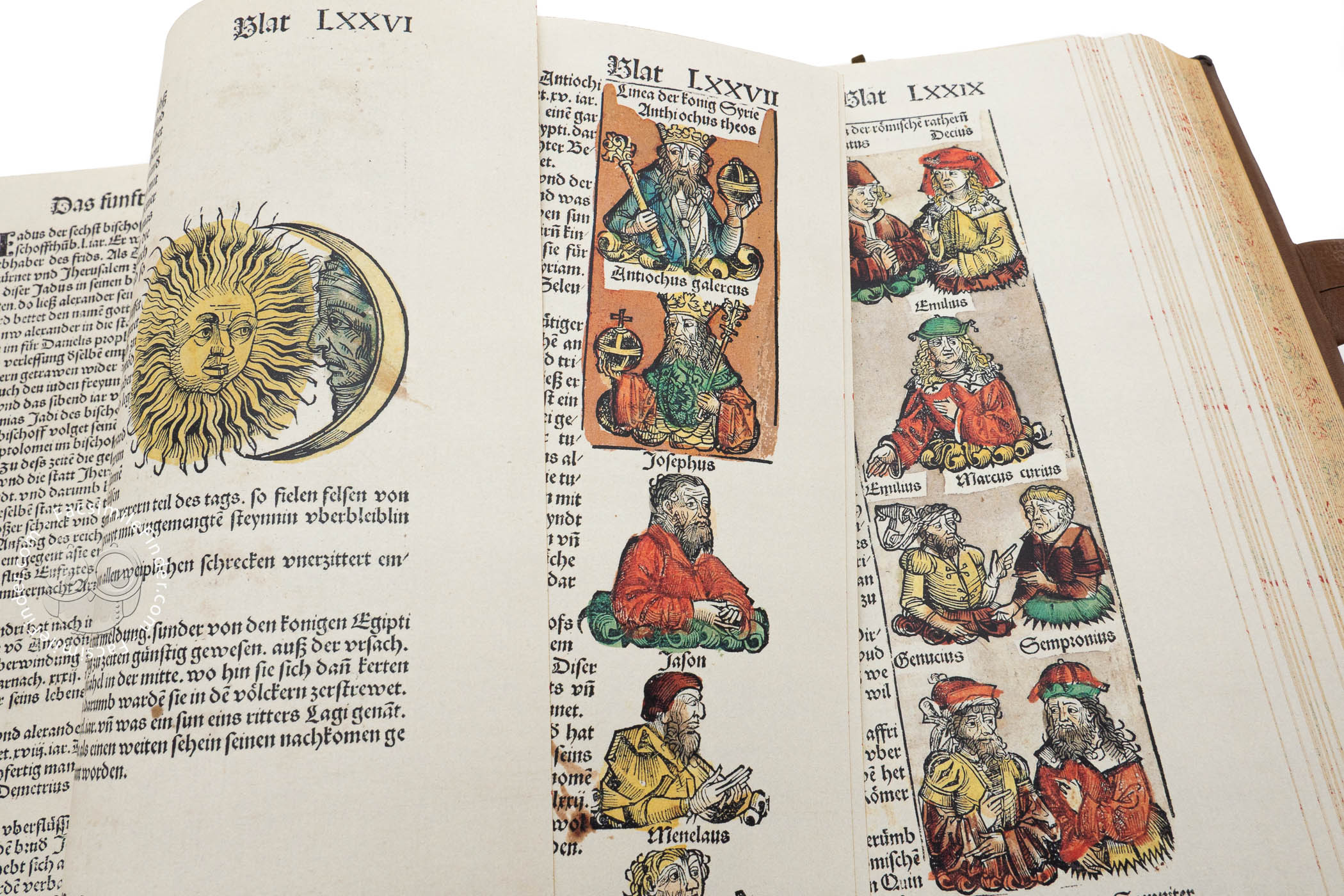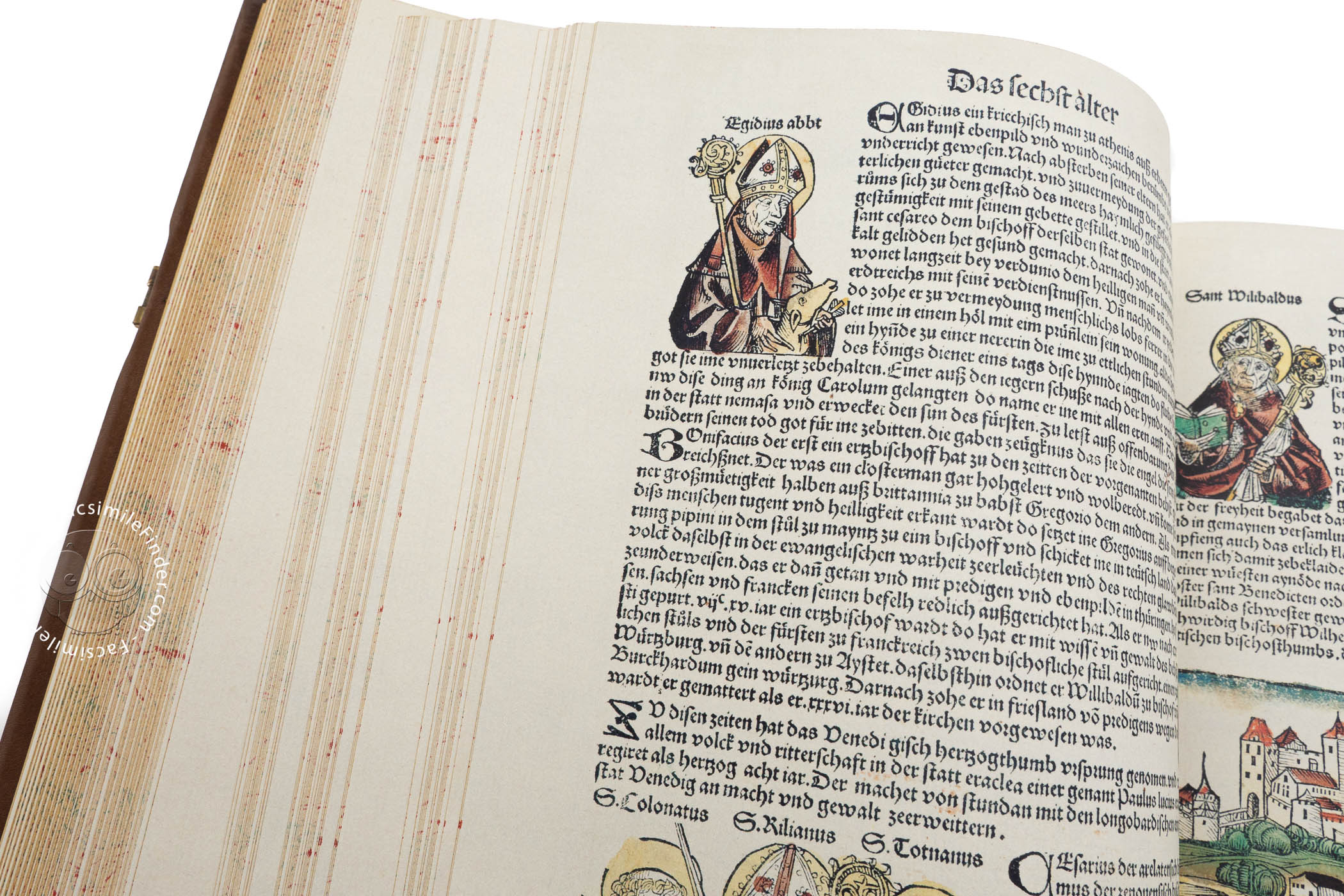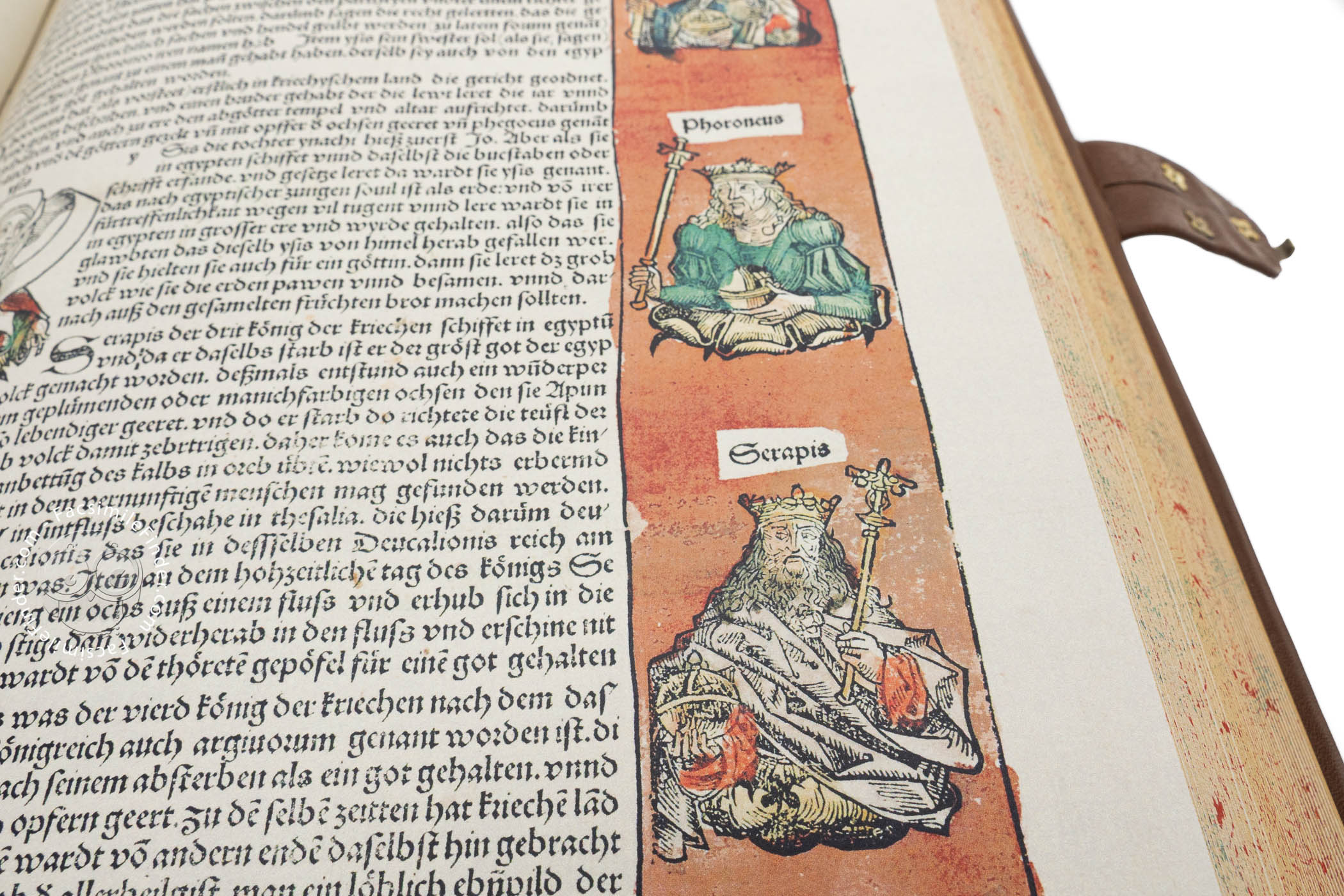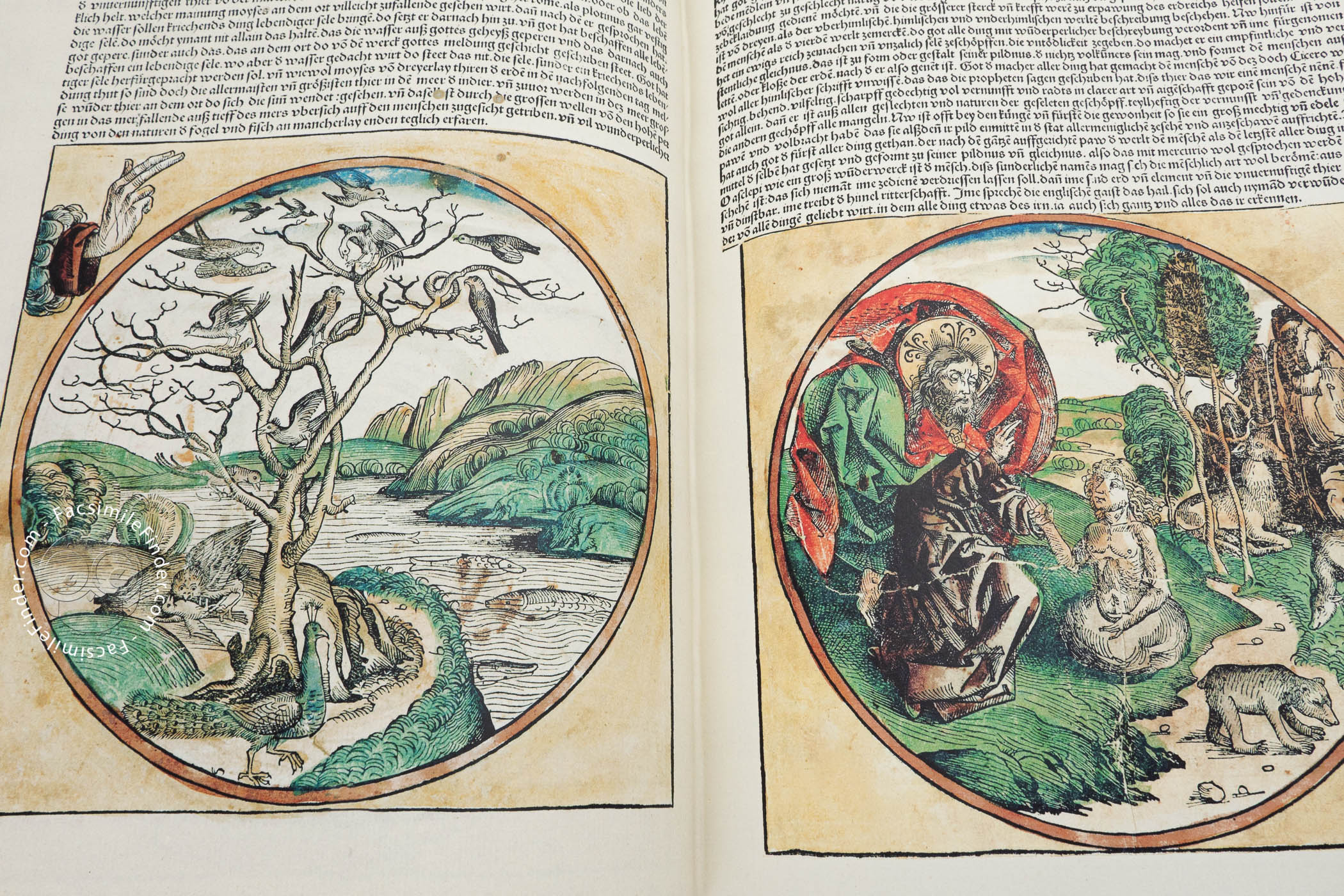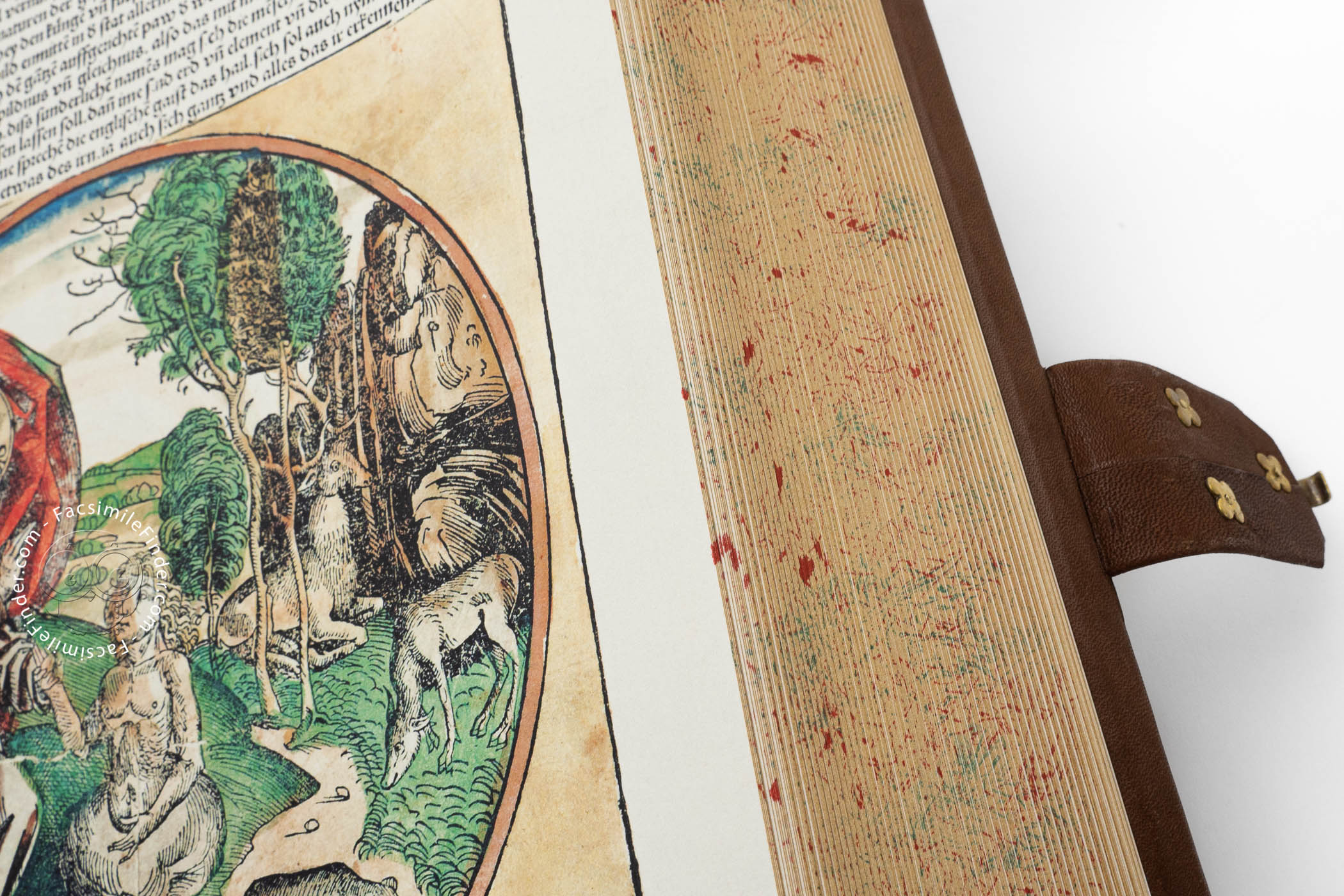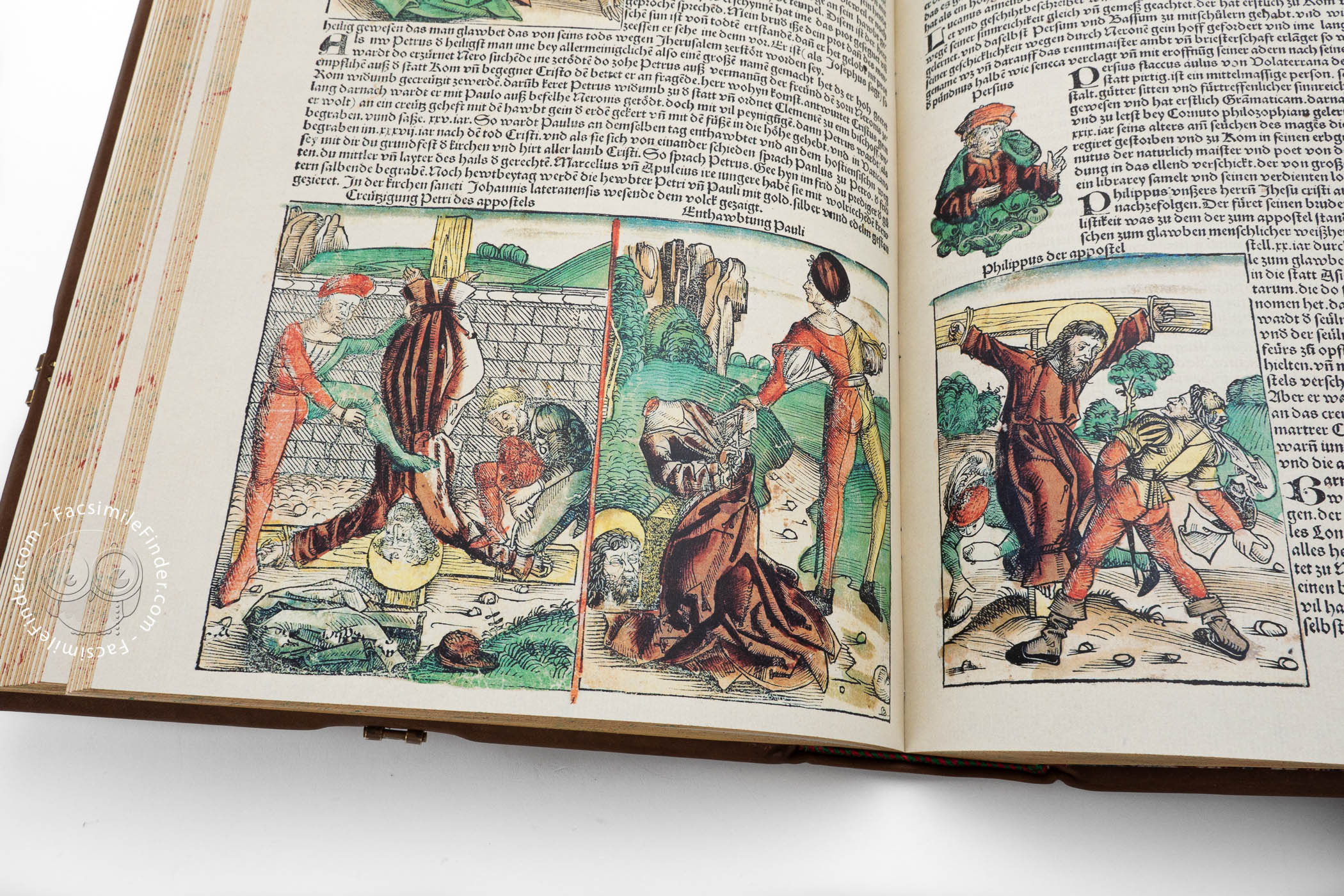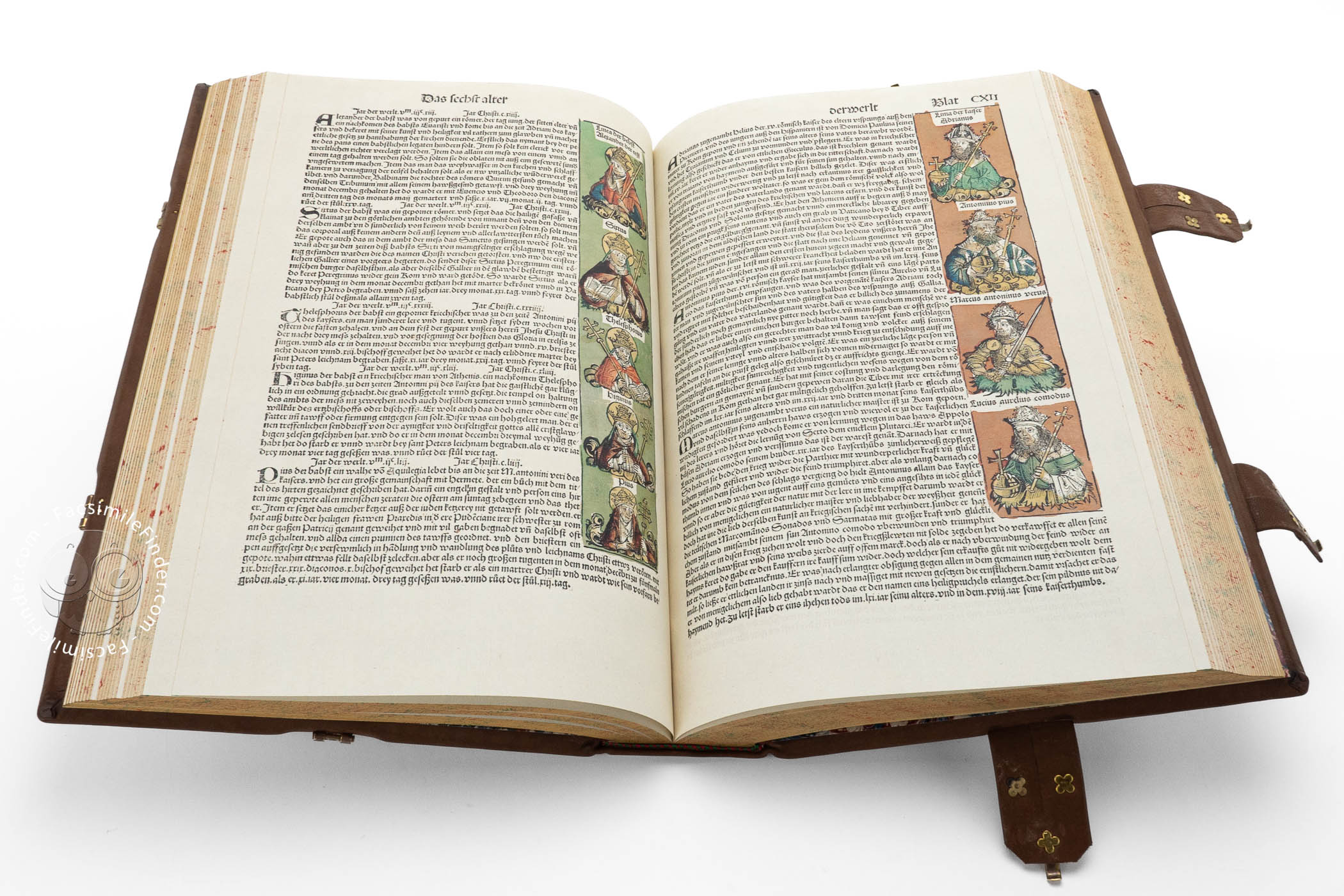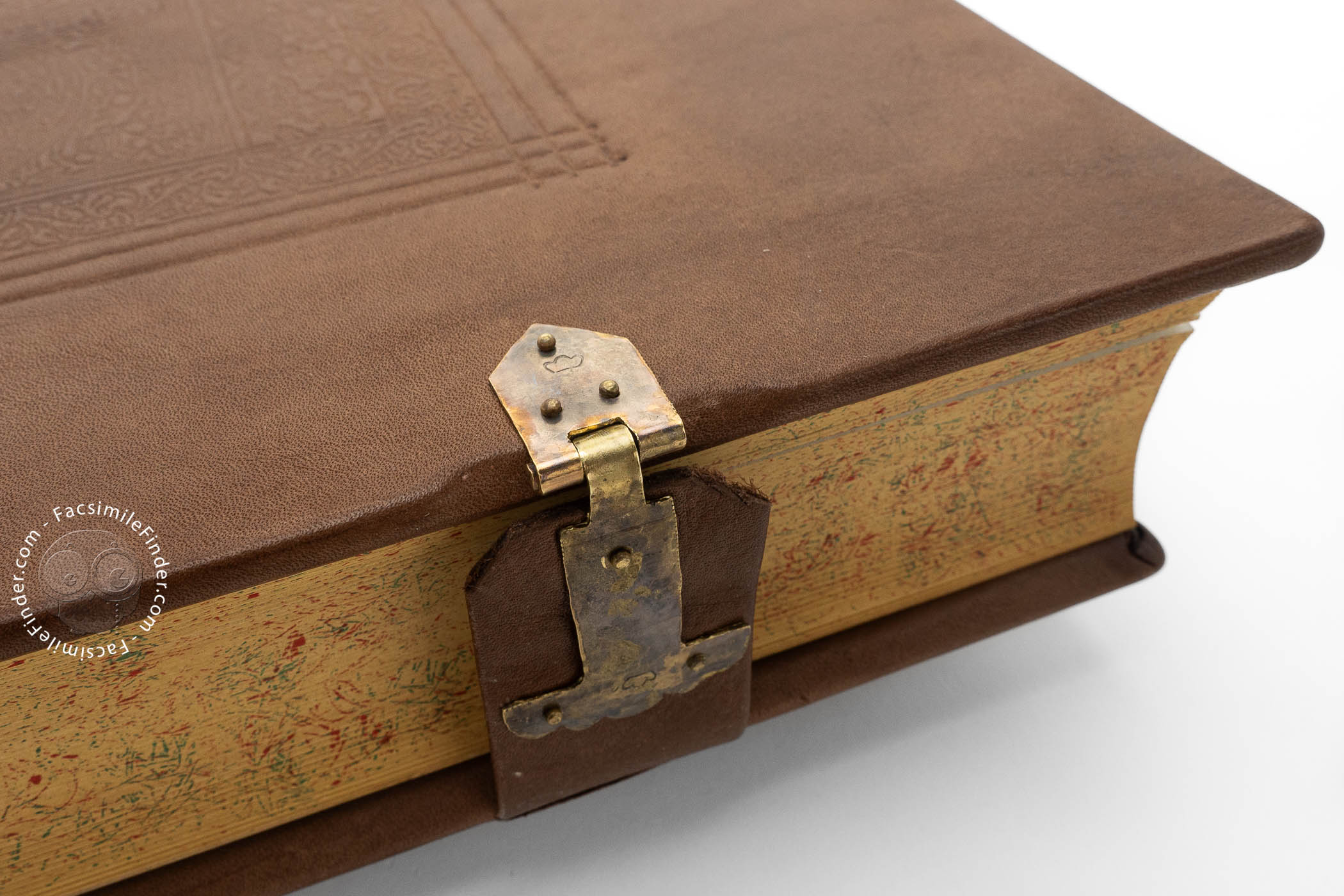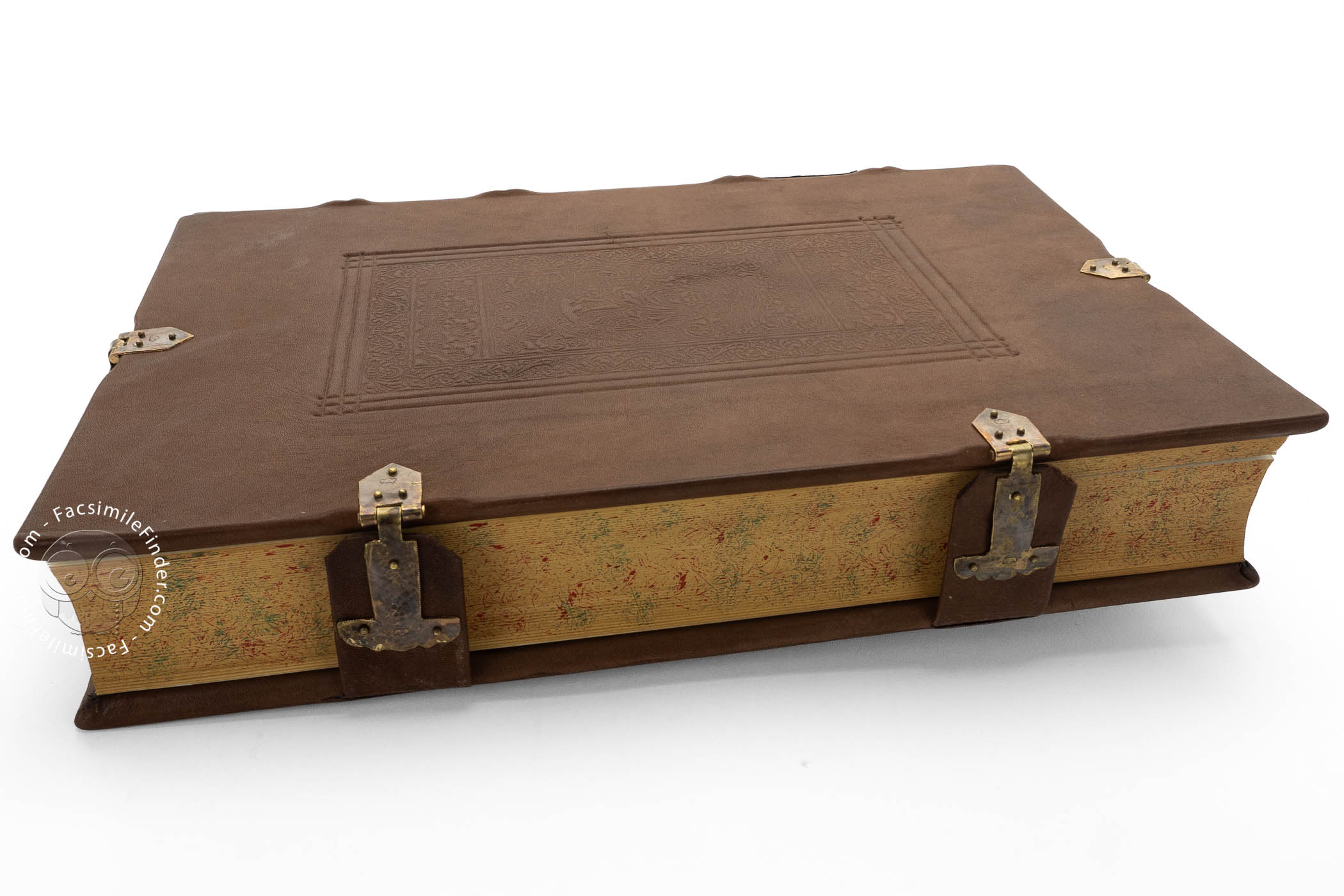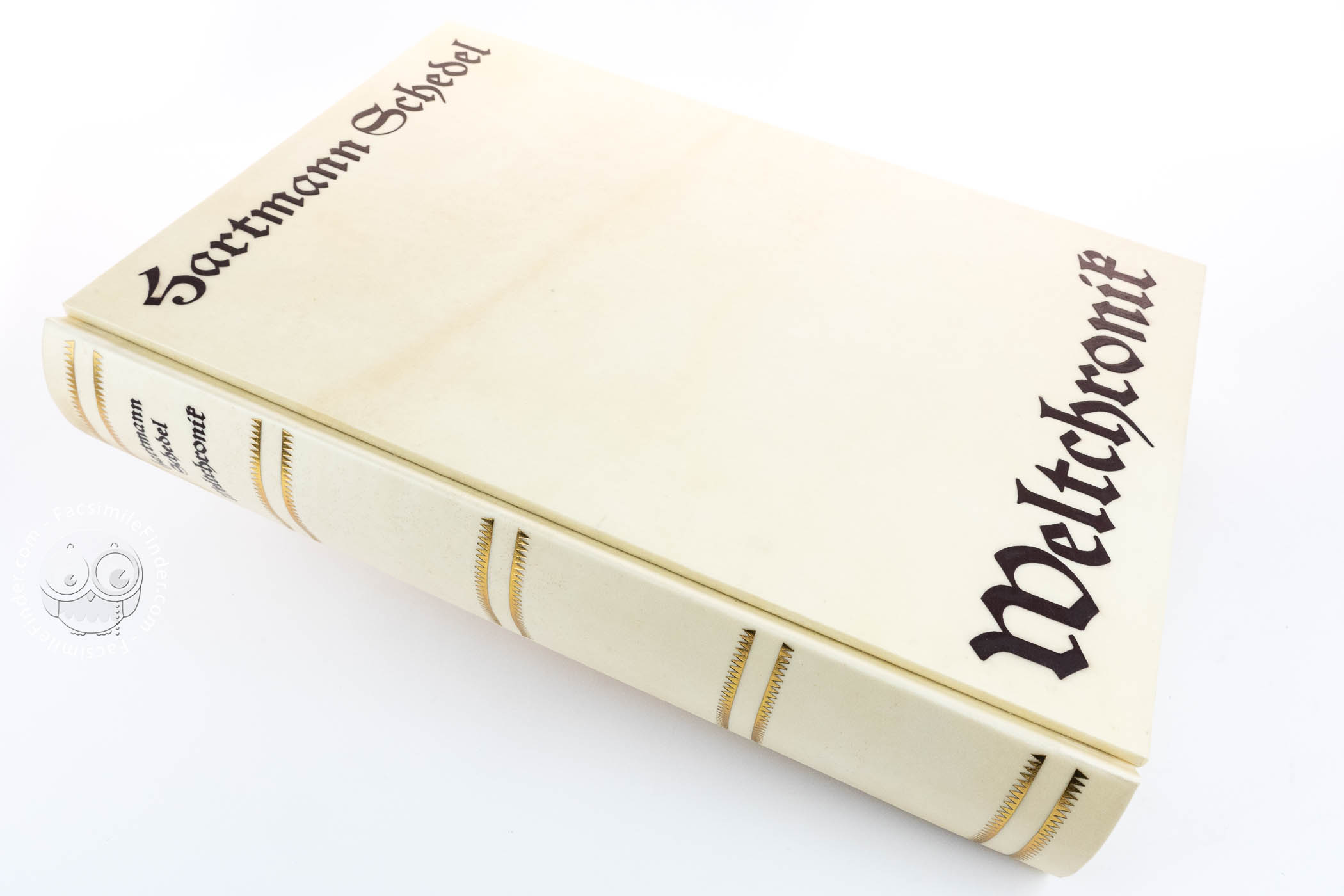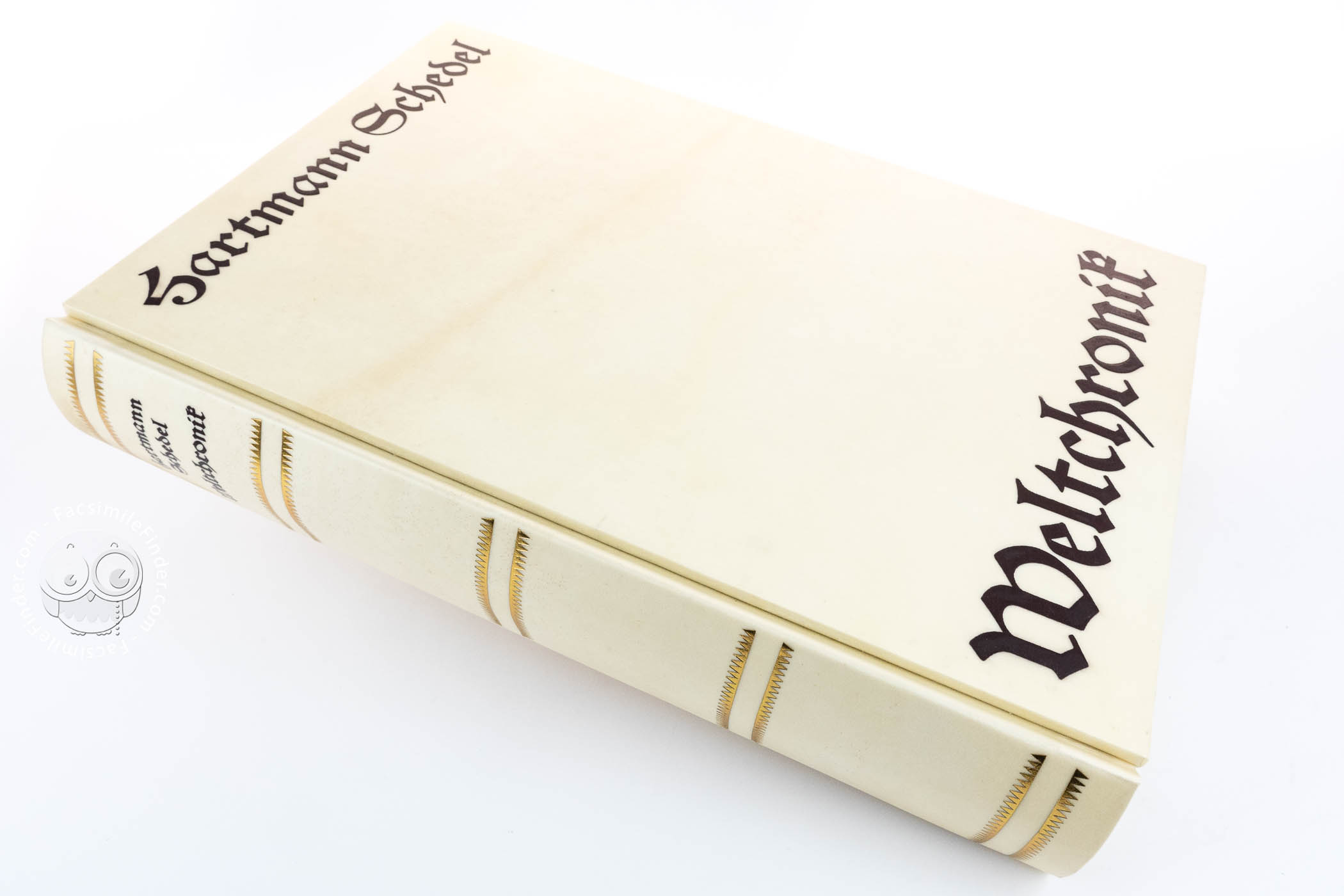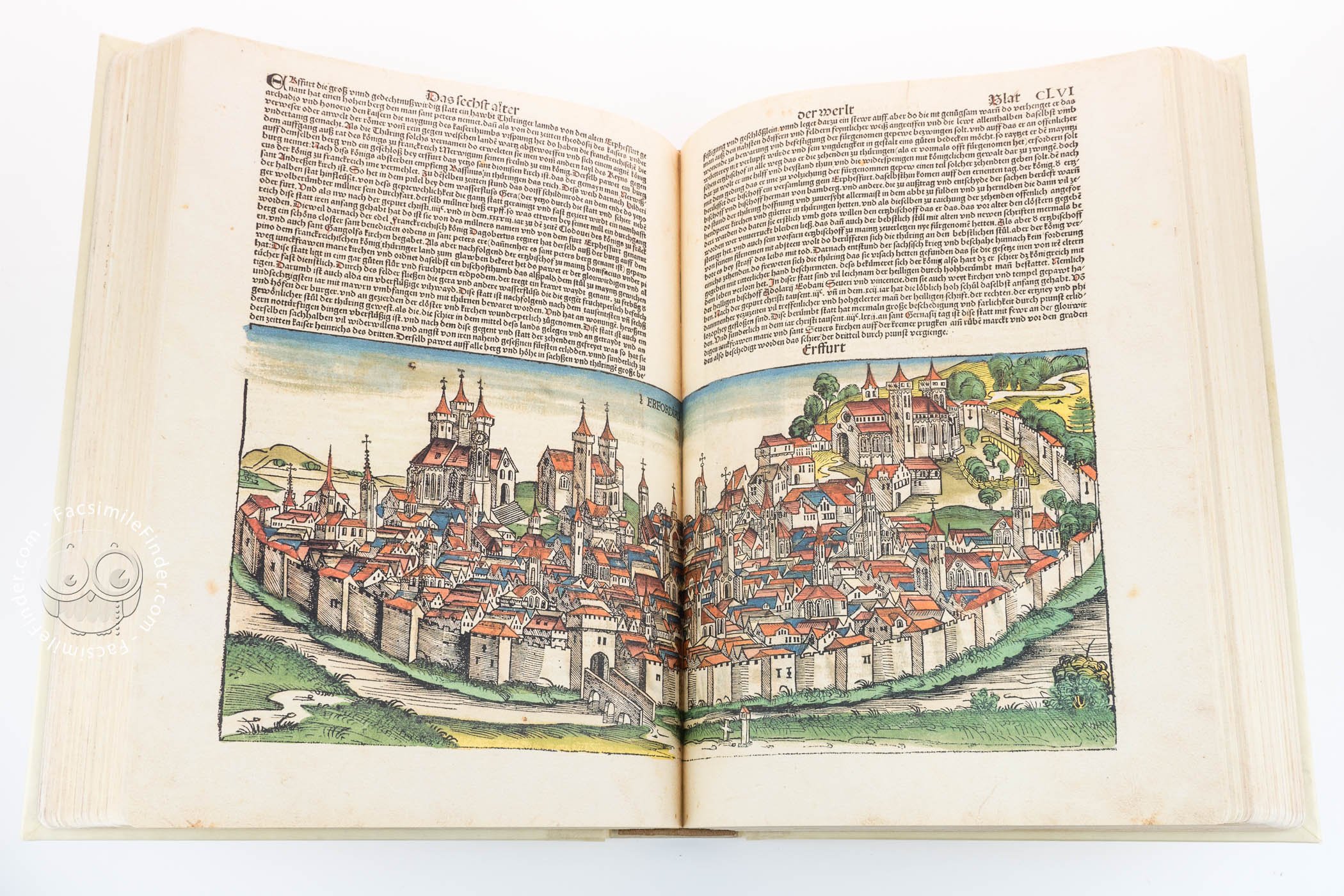
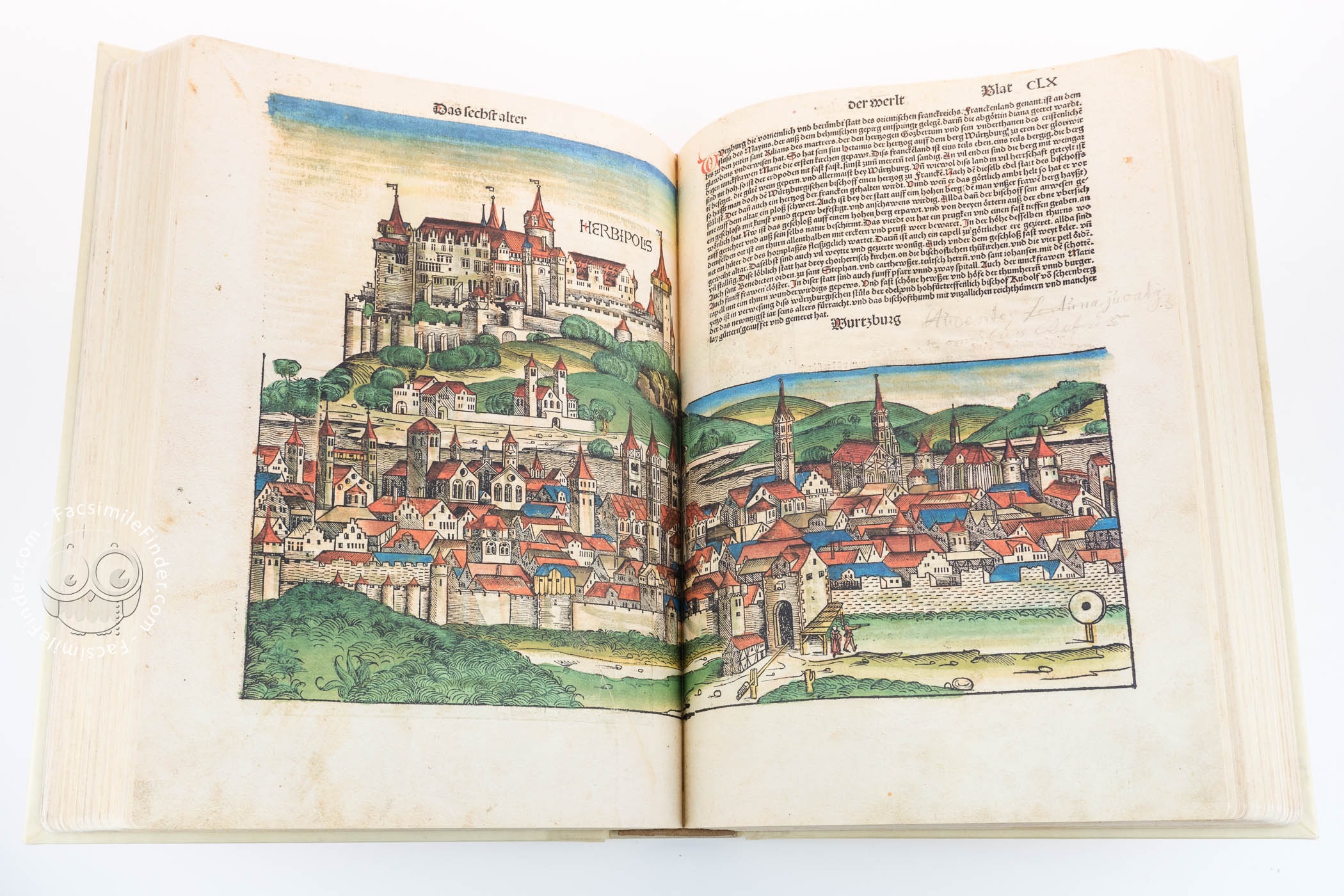
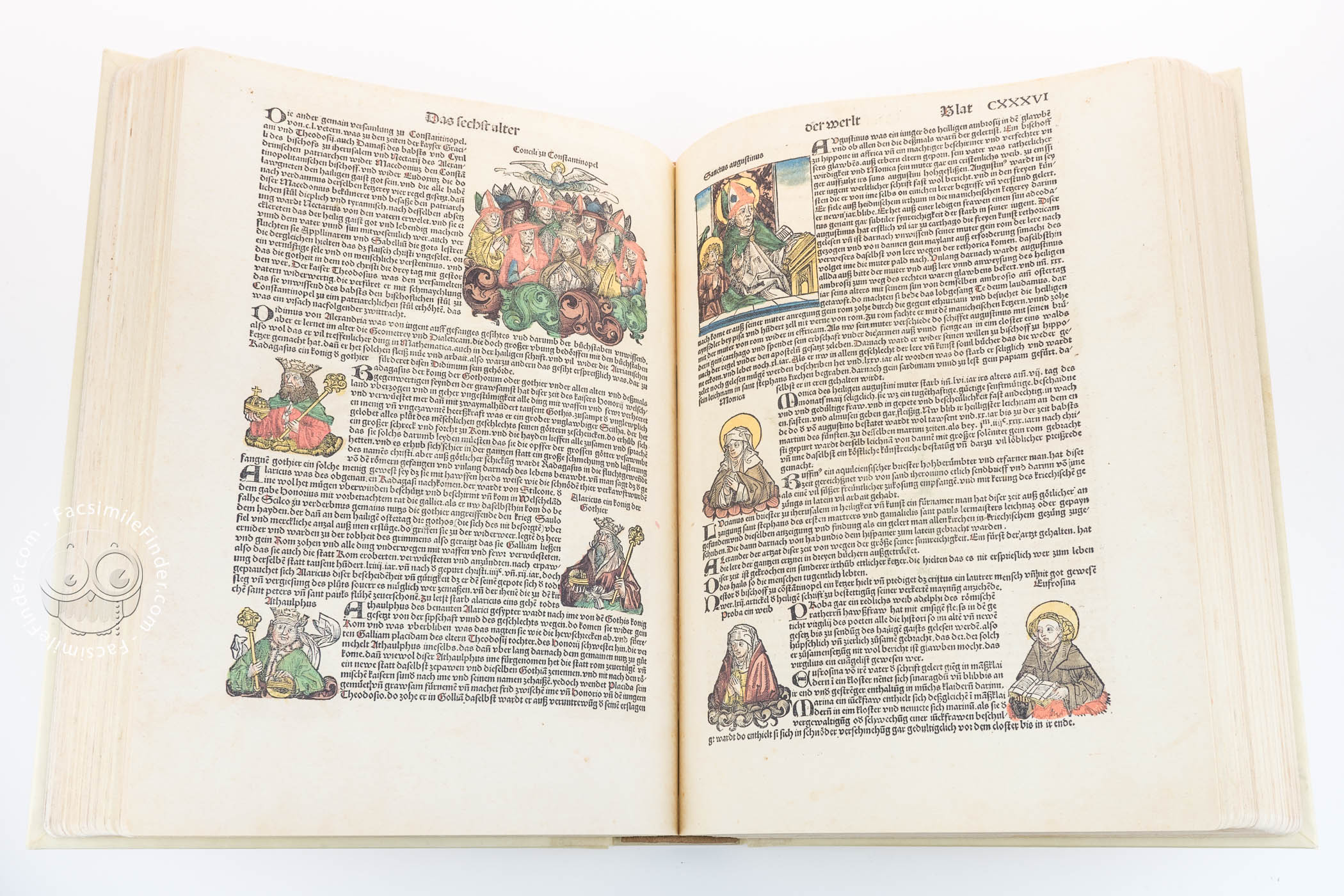
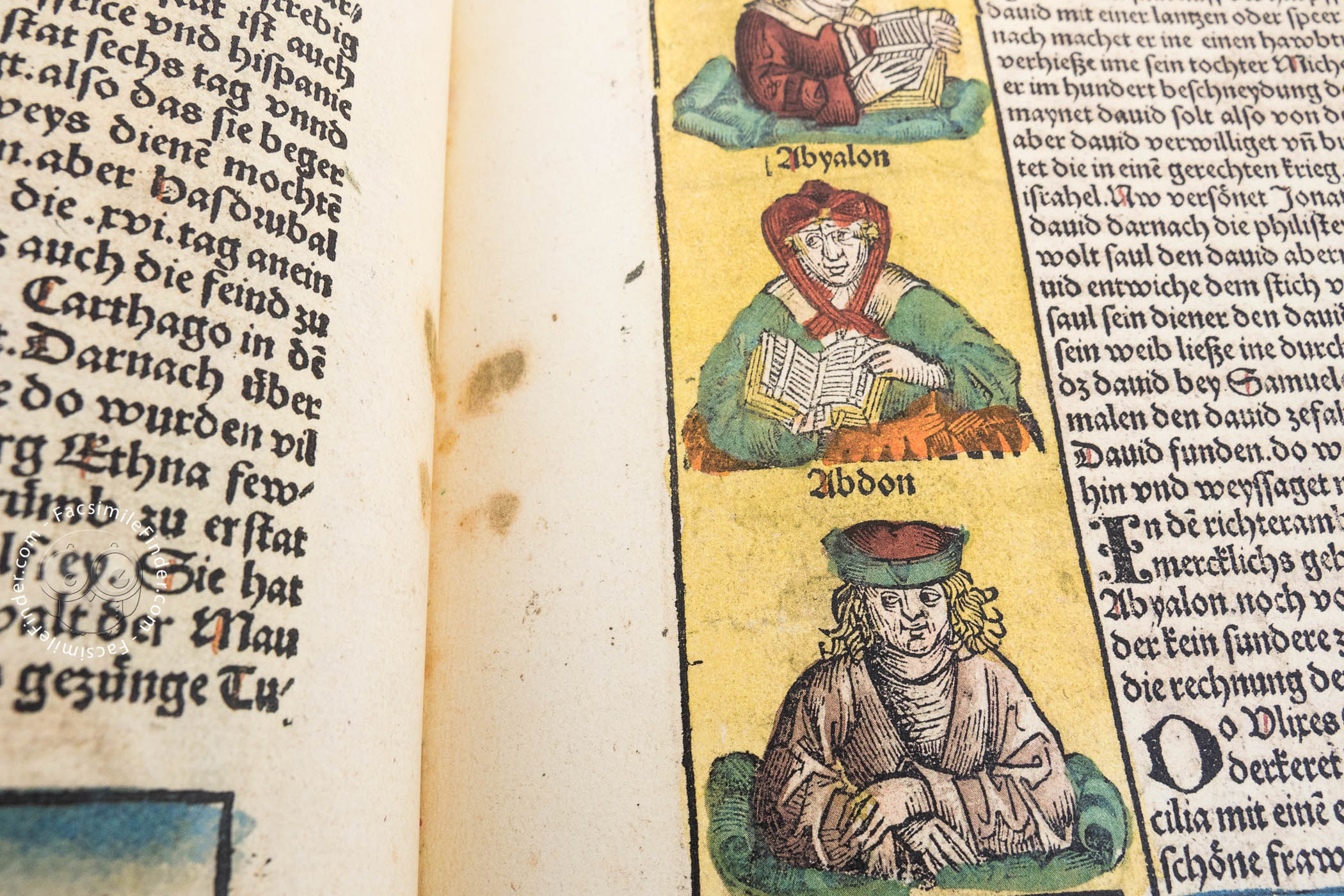


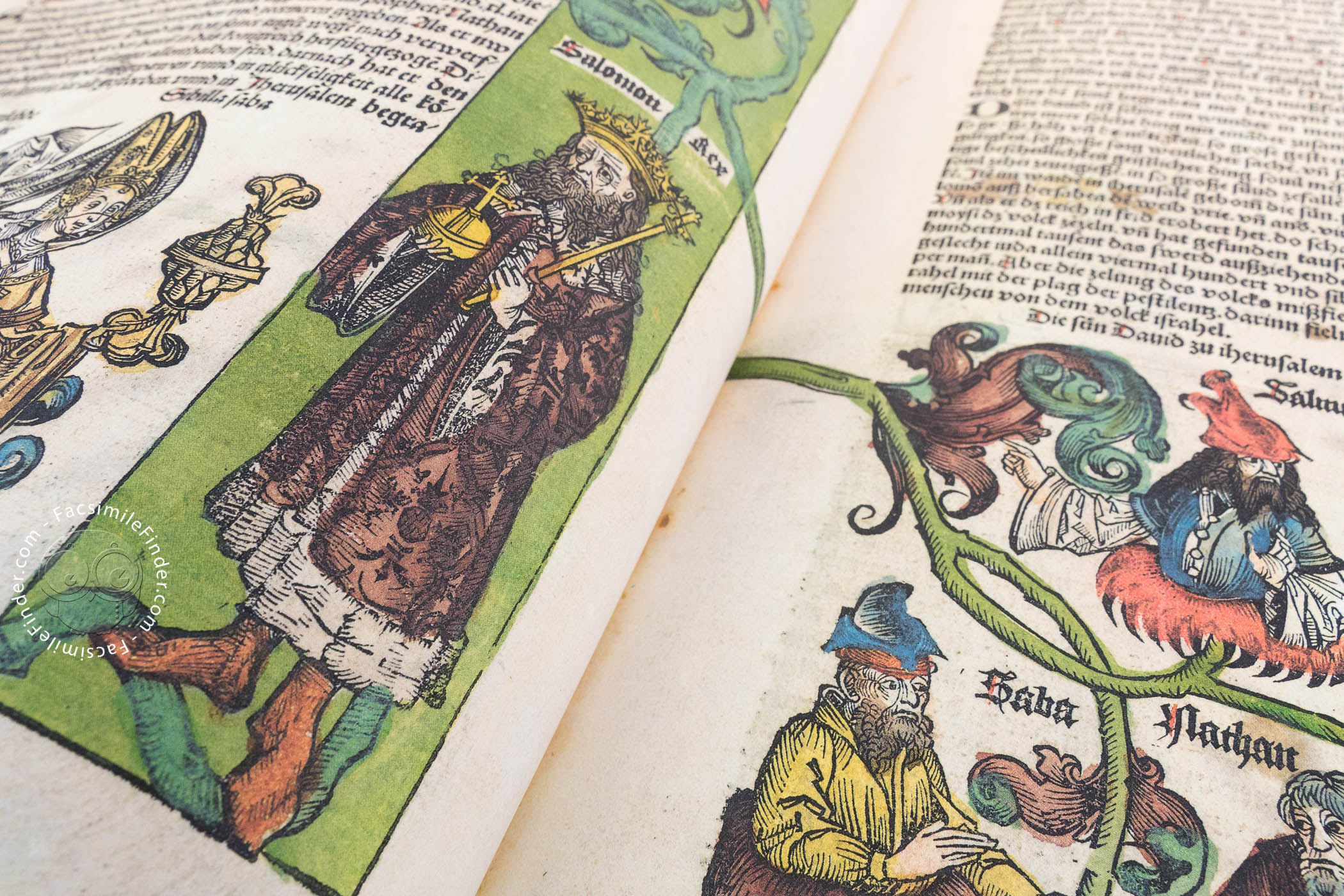


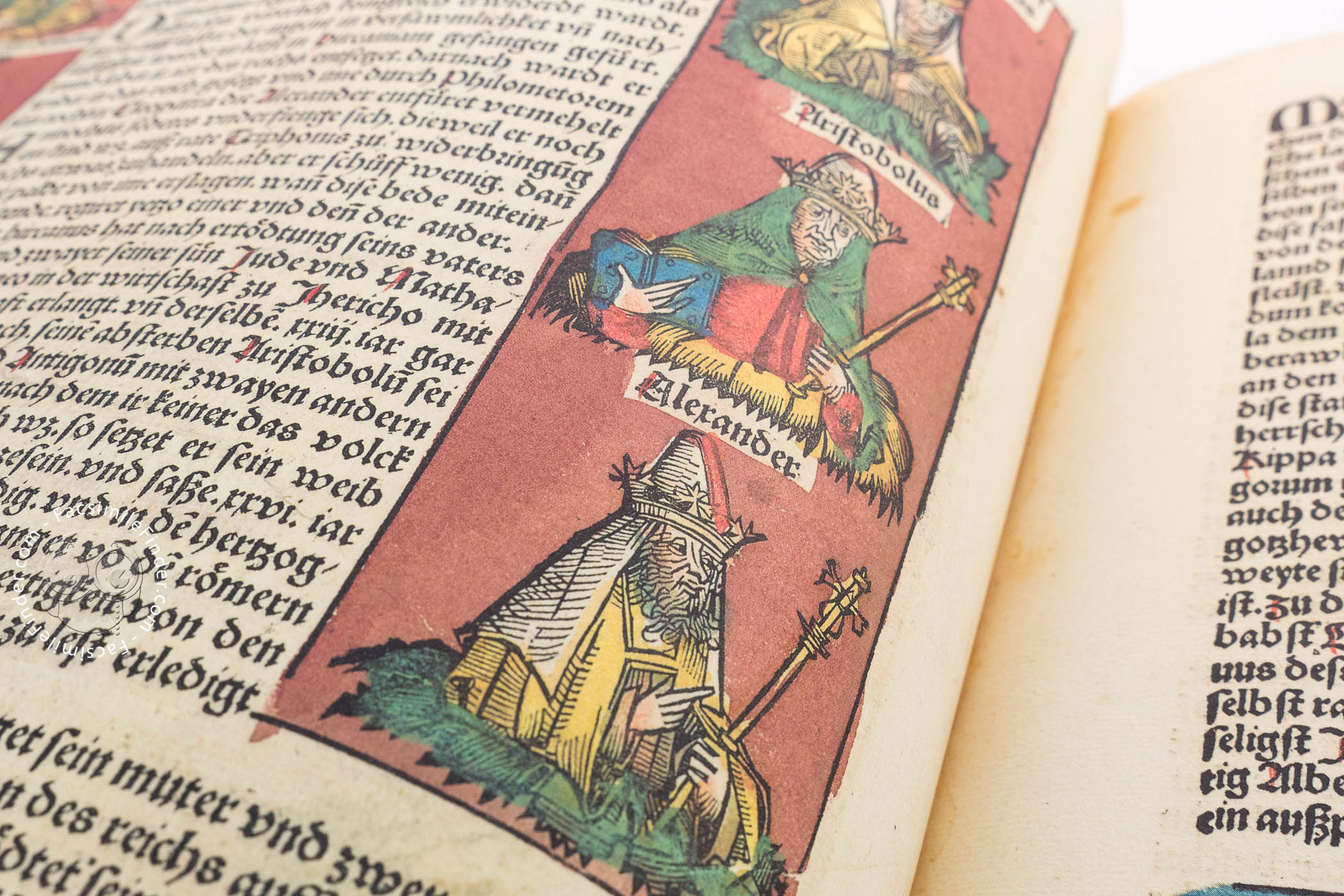
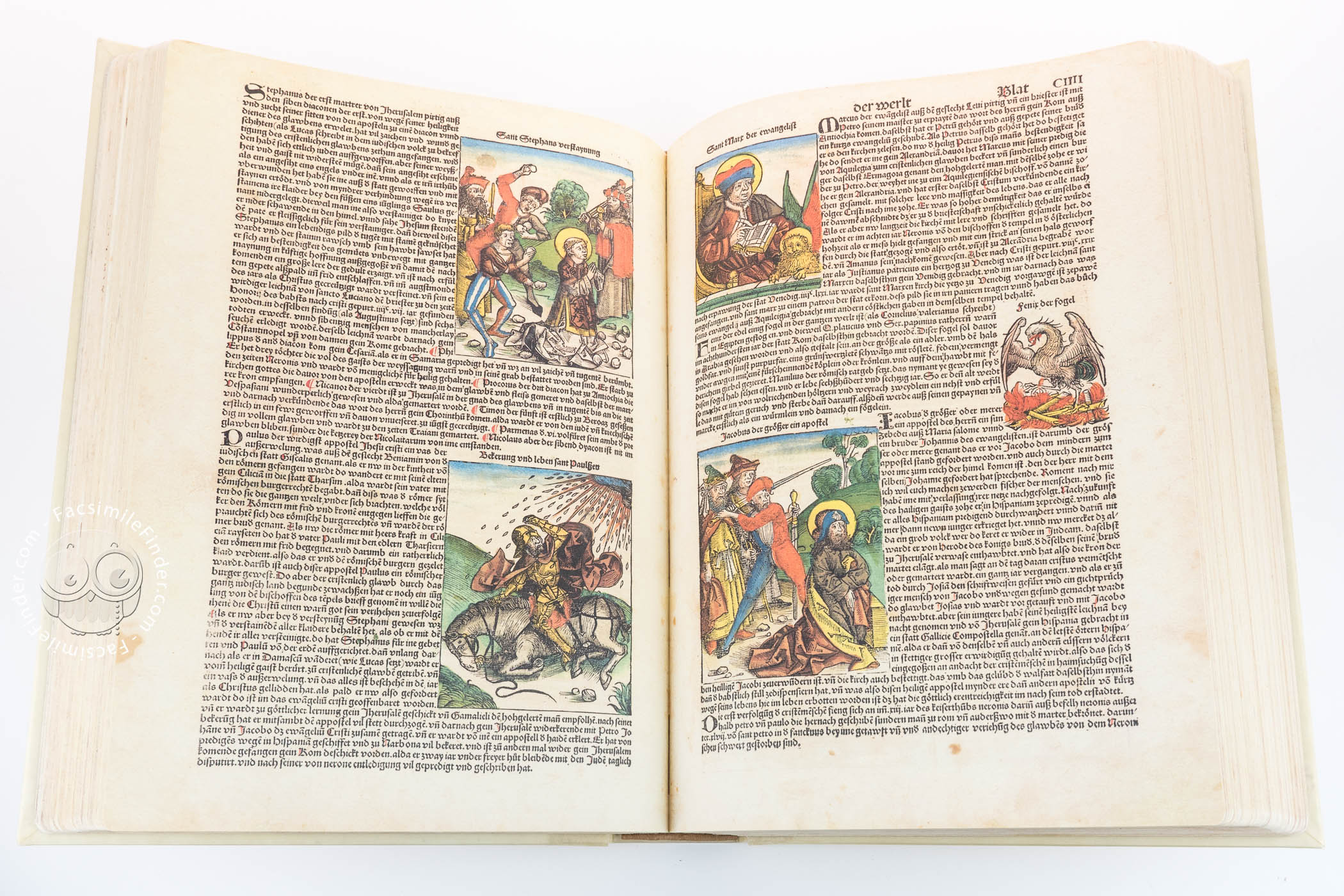
This sumptuous work emerged from what was arguably the most ambitious publishing enterprise of the incunabula age. Printed at Anton Koberger’s celebrated Nuremberg presses in July 1493 in Latin as the Liber chronicarum, it was swiftly reissued in December of the same year in German under the title Weltchronik. From the outset, the book’s scale, visual power, and scholarly intent ensured its rapid circulation and lasting fame. It soon became widely known, collected, and discussed across Italy and Europe as the Nuremberg Chronicle.
Nuremberg Chronicle: Hartmann Schedel's Illustrated World History Masterpiece
The author, Hartmann Schedel, was a distinguished German humanist who, together with the publisher and patrons, orchestrated an extraordinary collaborative venture. A carefully assembled network of scholars, artists, workshop specialists, pressmen, and bookbinders worked in concert to produce a visually commanding universal history. The team included the young Albrecht Dürer. Spanning from the Creation to the threshold of the Age of Discovery, the Liber chronicarum offered late fifteenth century readers an encyclopedic narrative of sacred and secular time. It integrates biblical history, classical tradition, medieval chronicles, and contemporary knowledge into a single monumental volume. More than a book, it was a cultural project that aimed to inform, impress, and endure.
Nuremberg Chronicle Illustrations: Hand-Colored Woodcuts and City Views
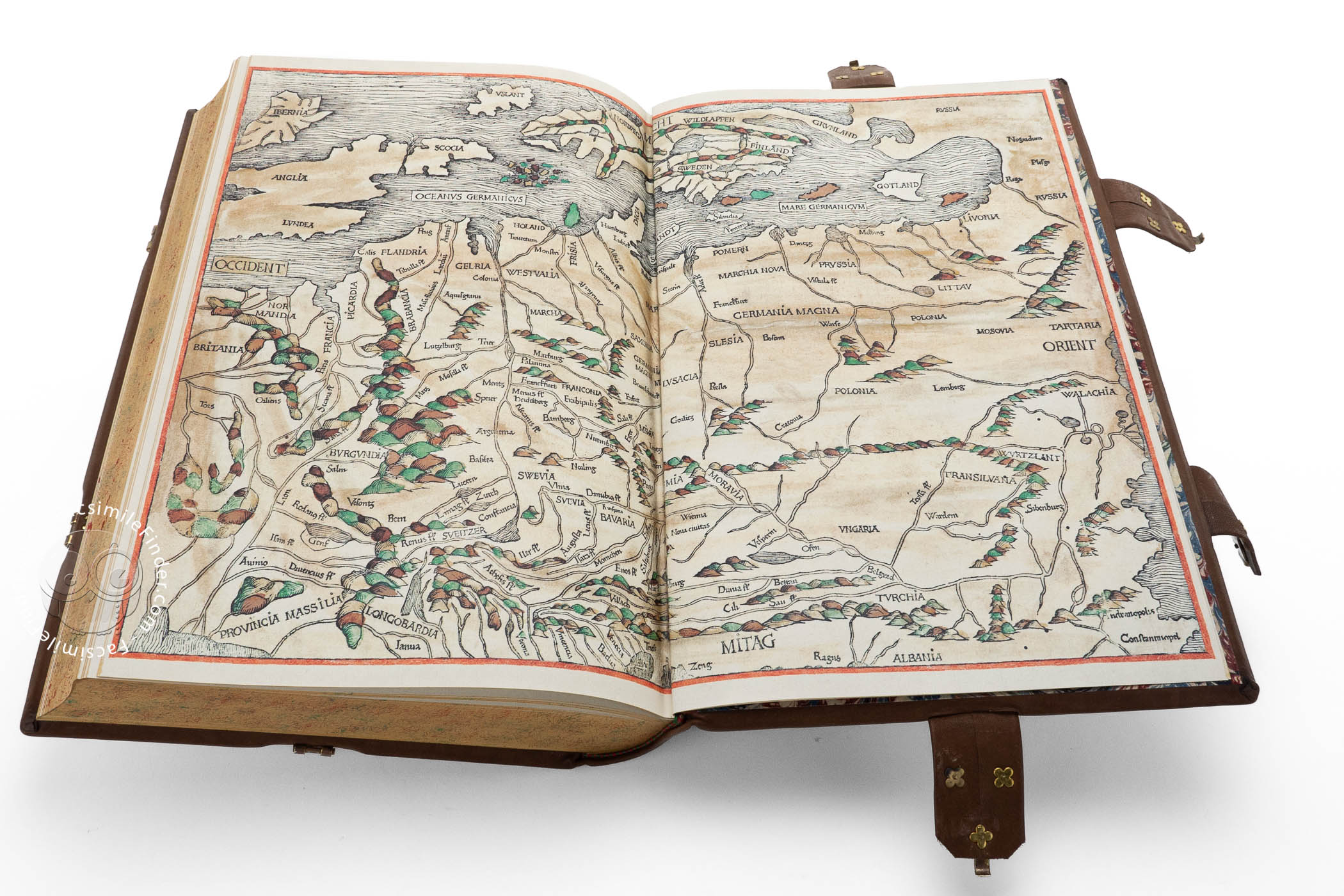
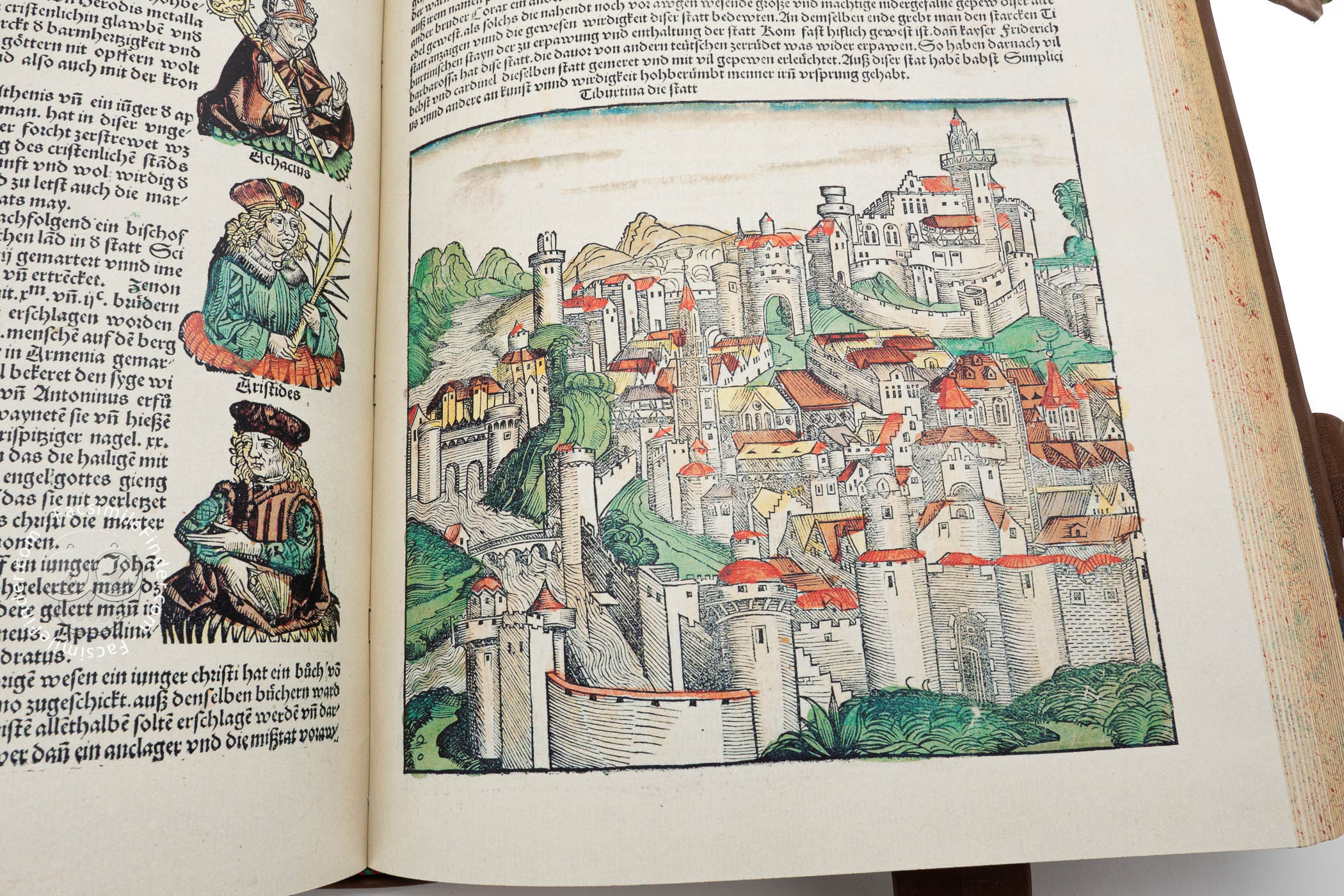
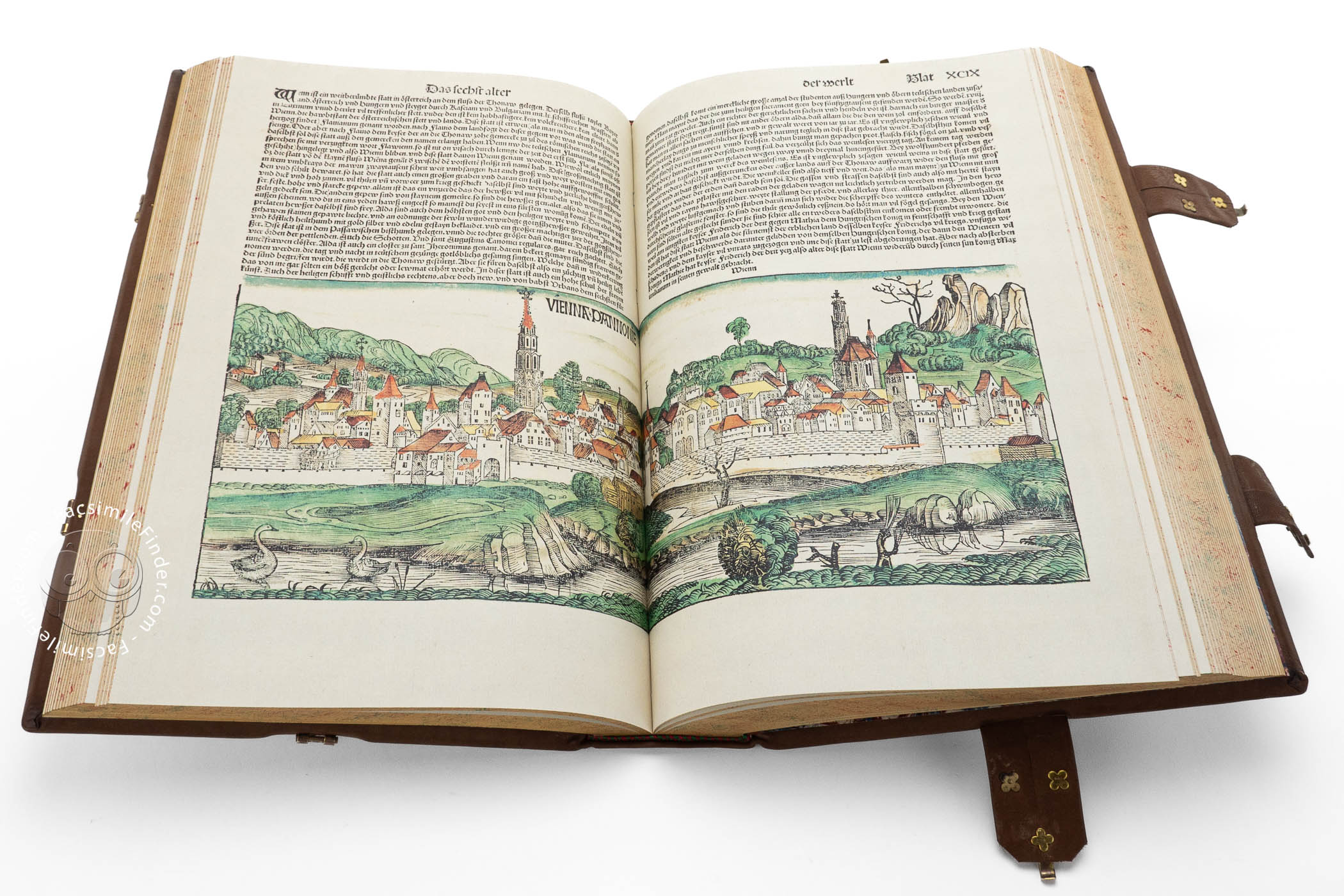
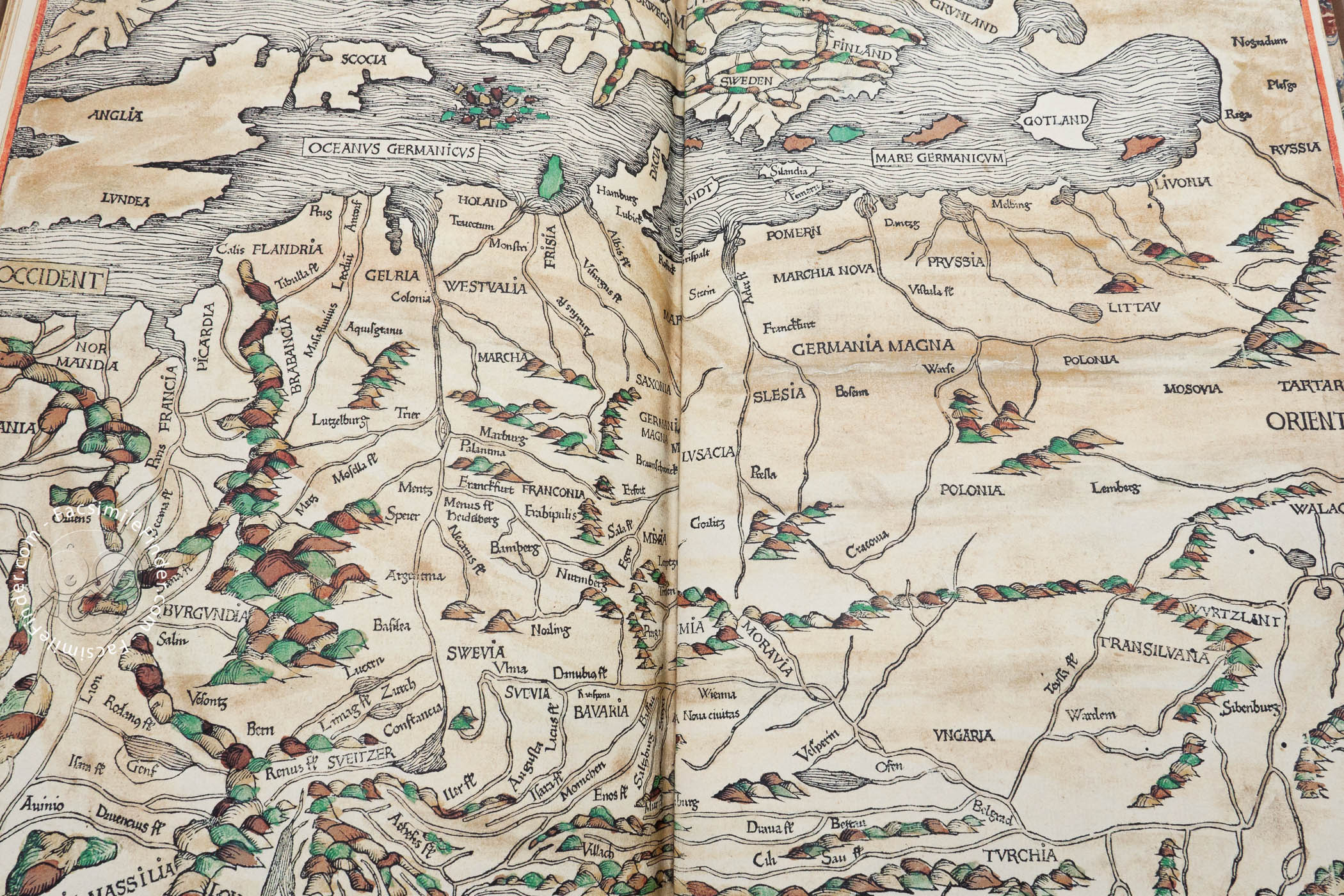
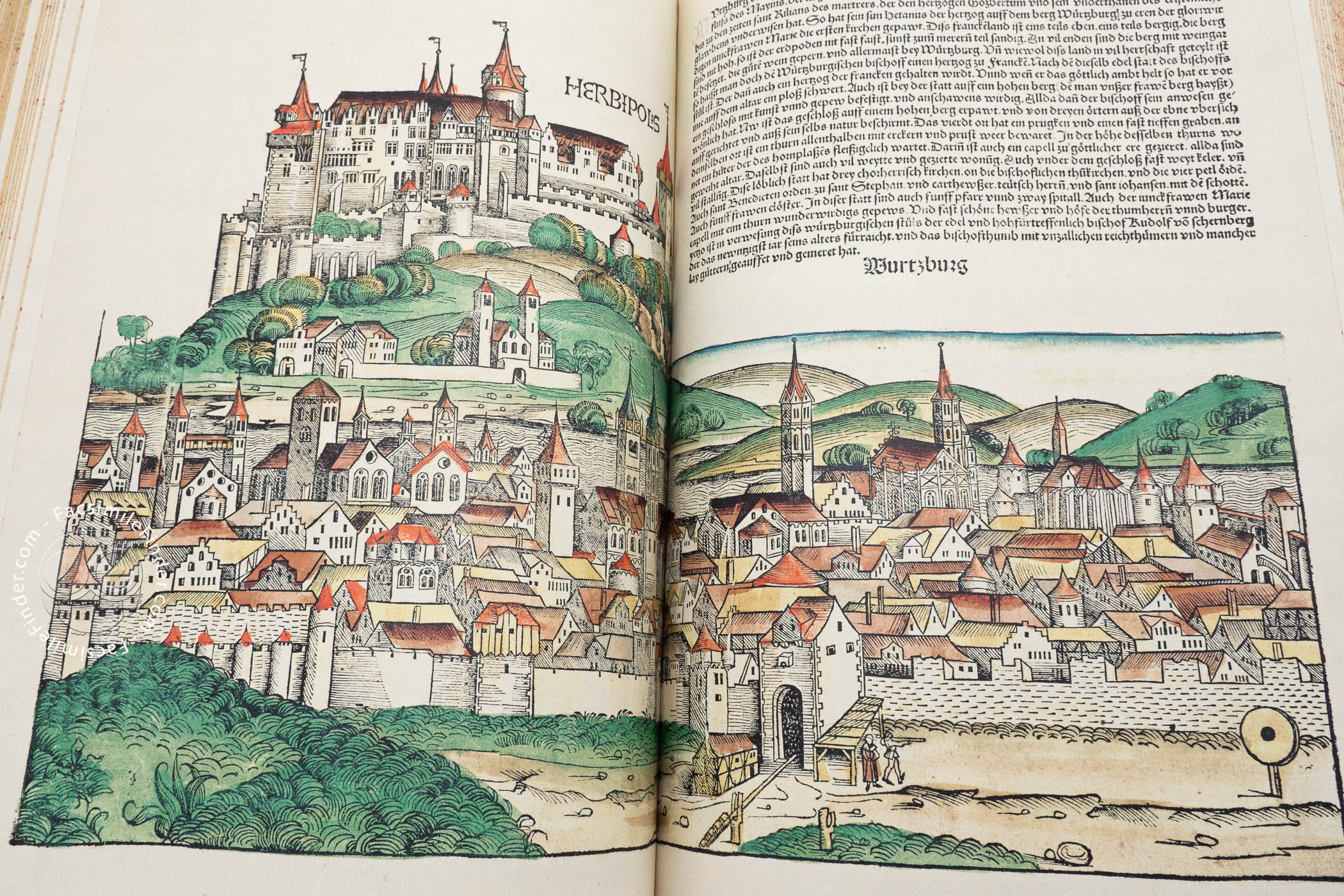
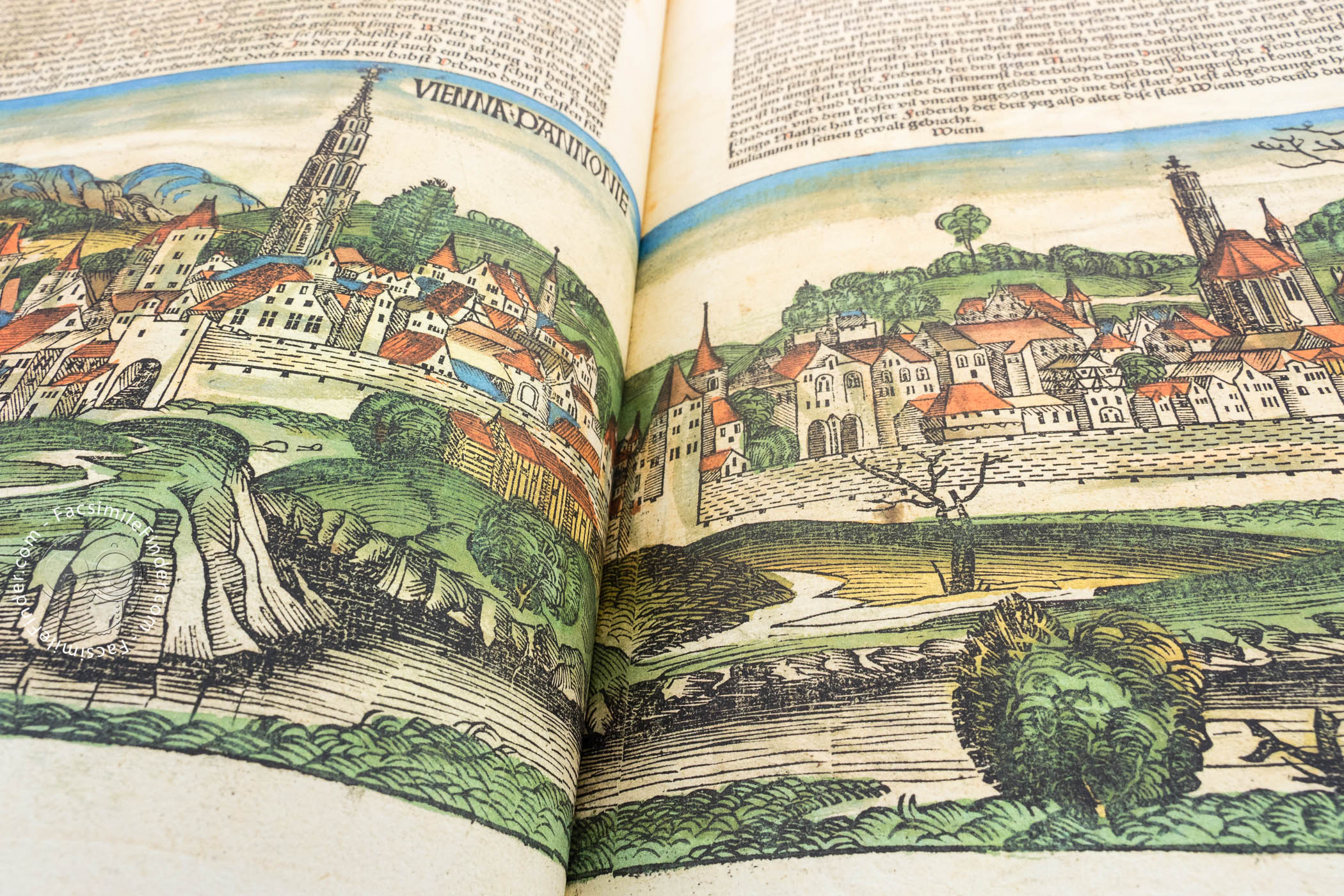
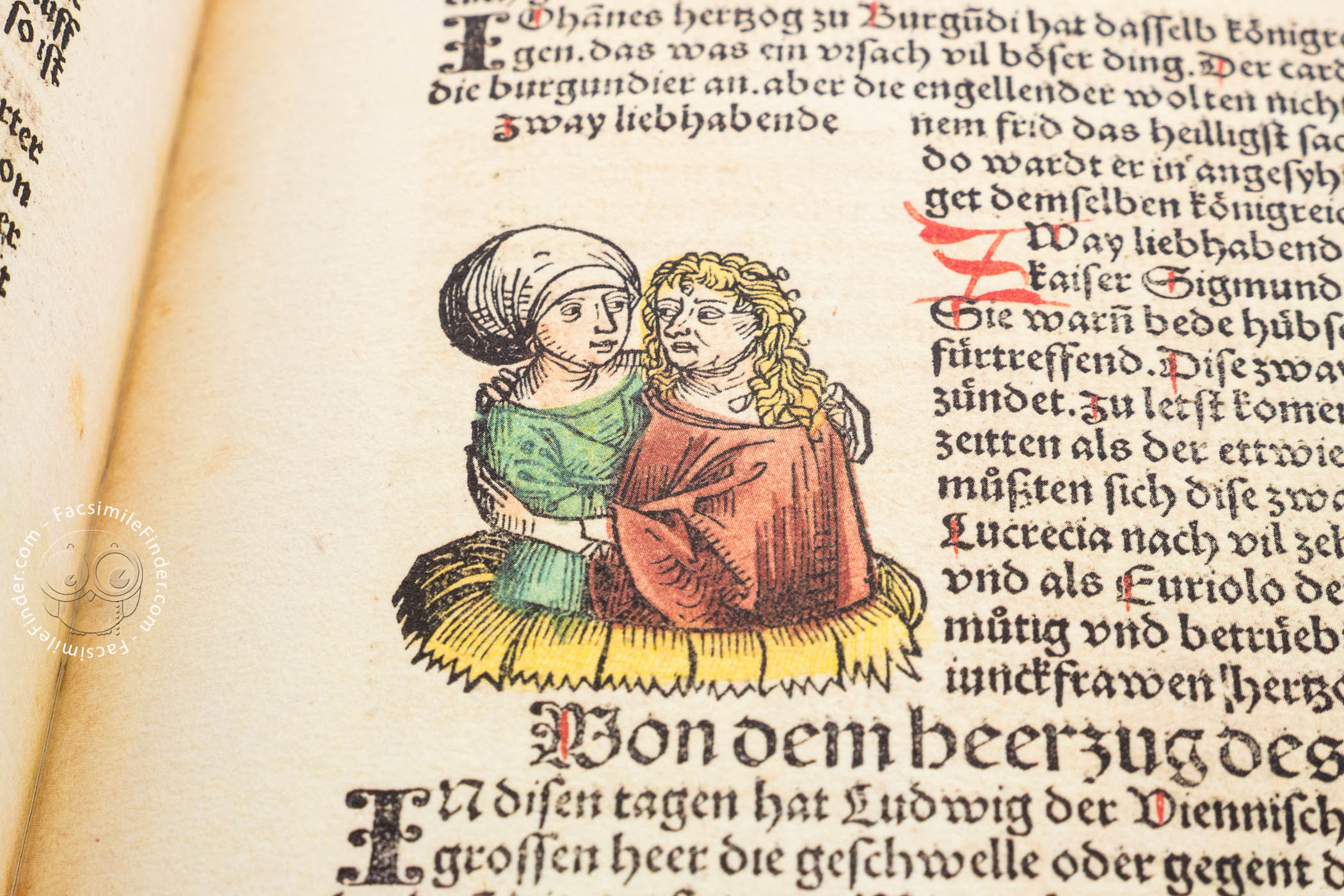
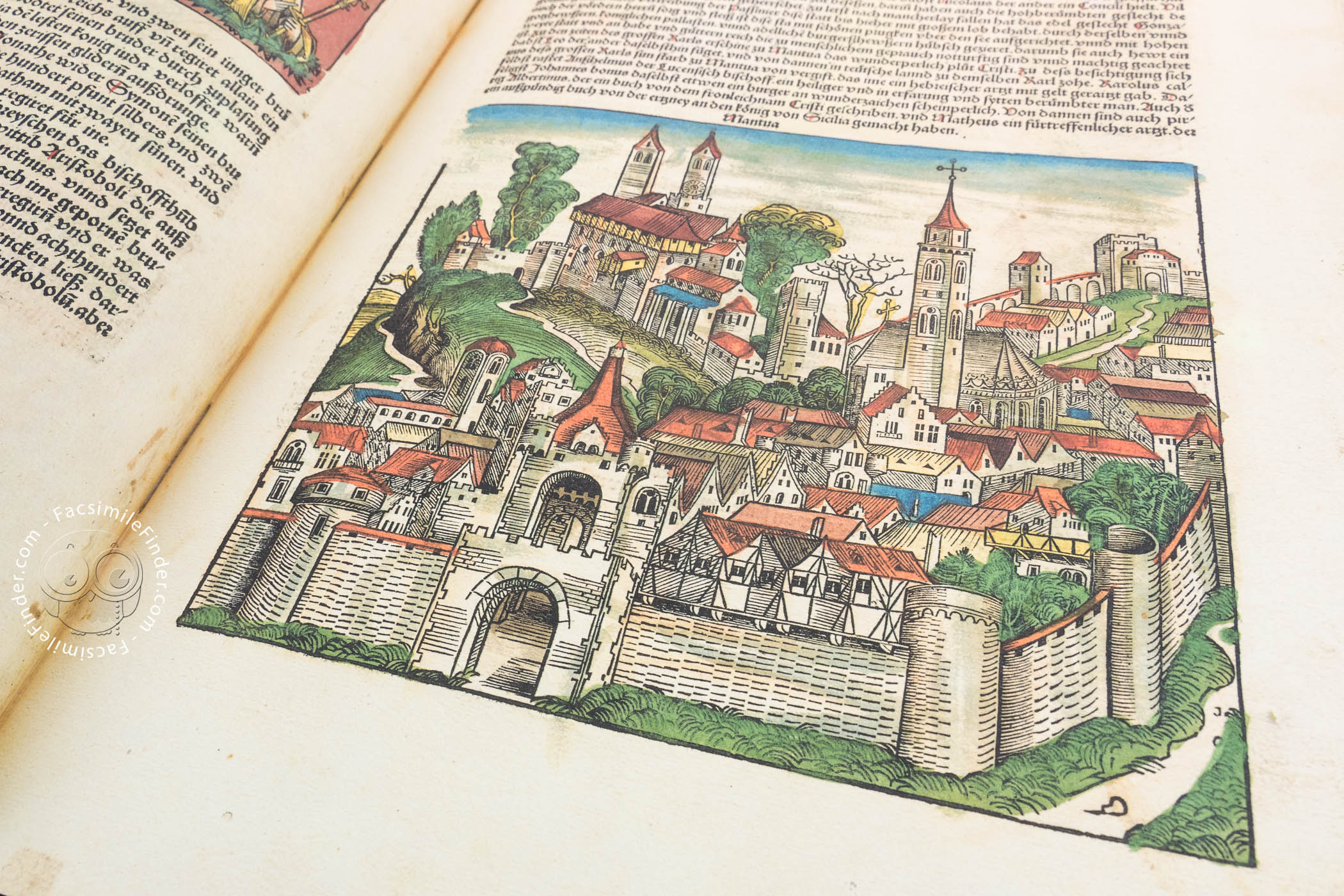
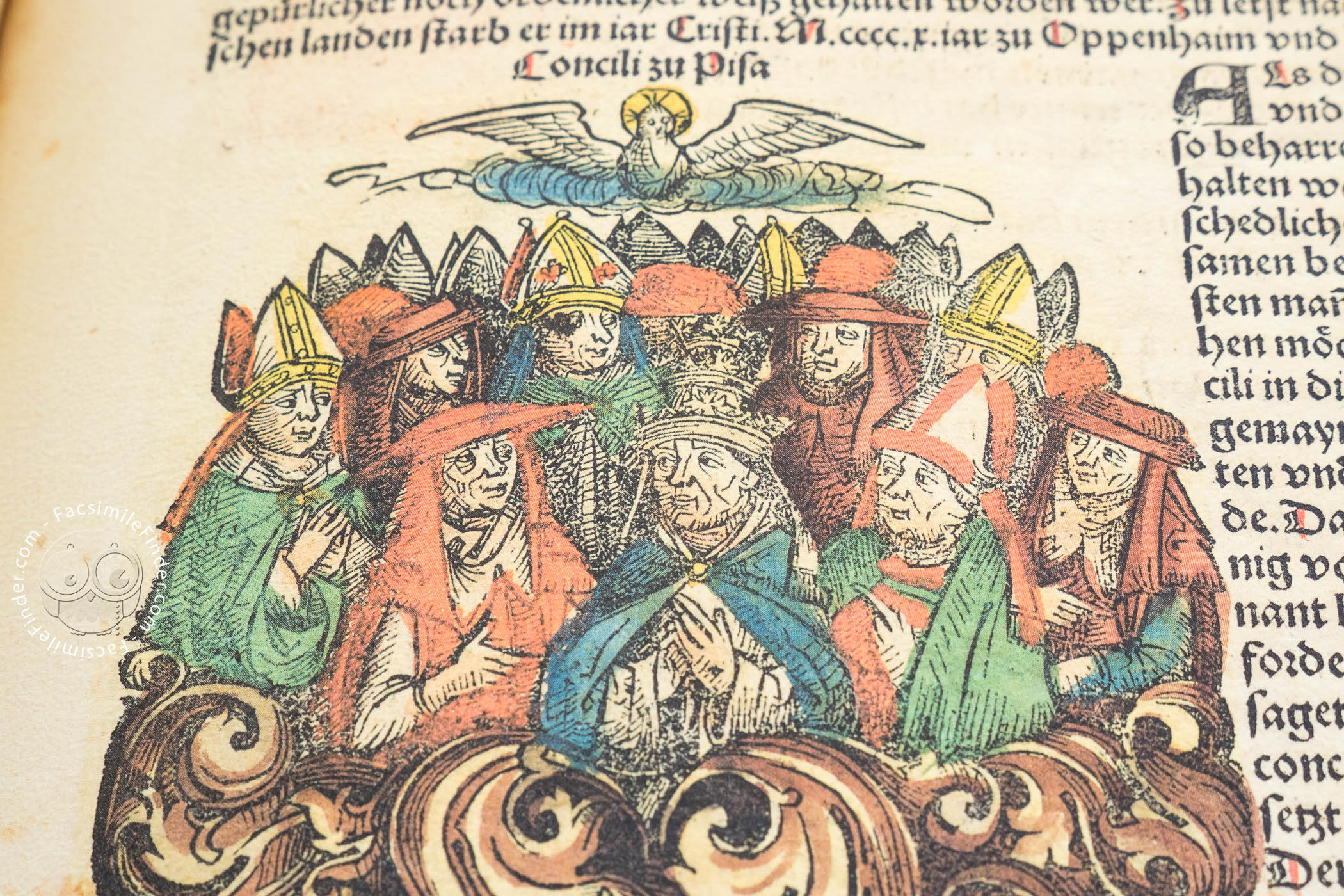
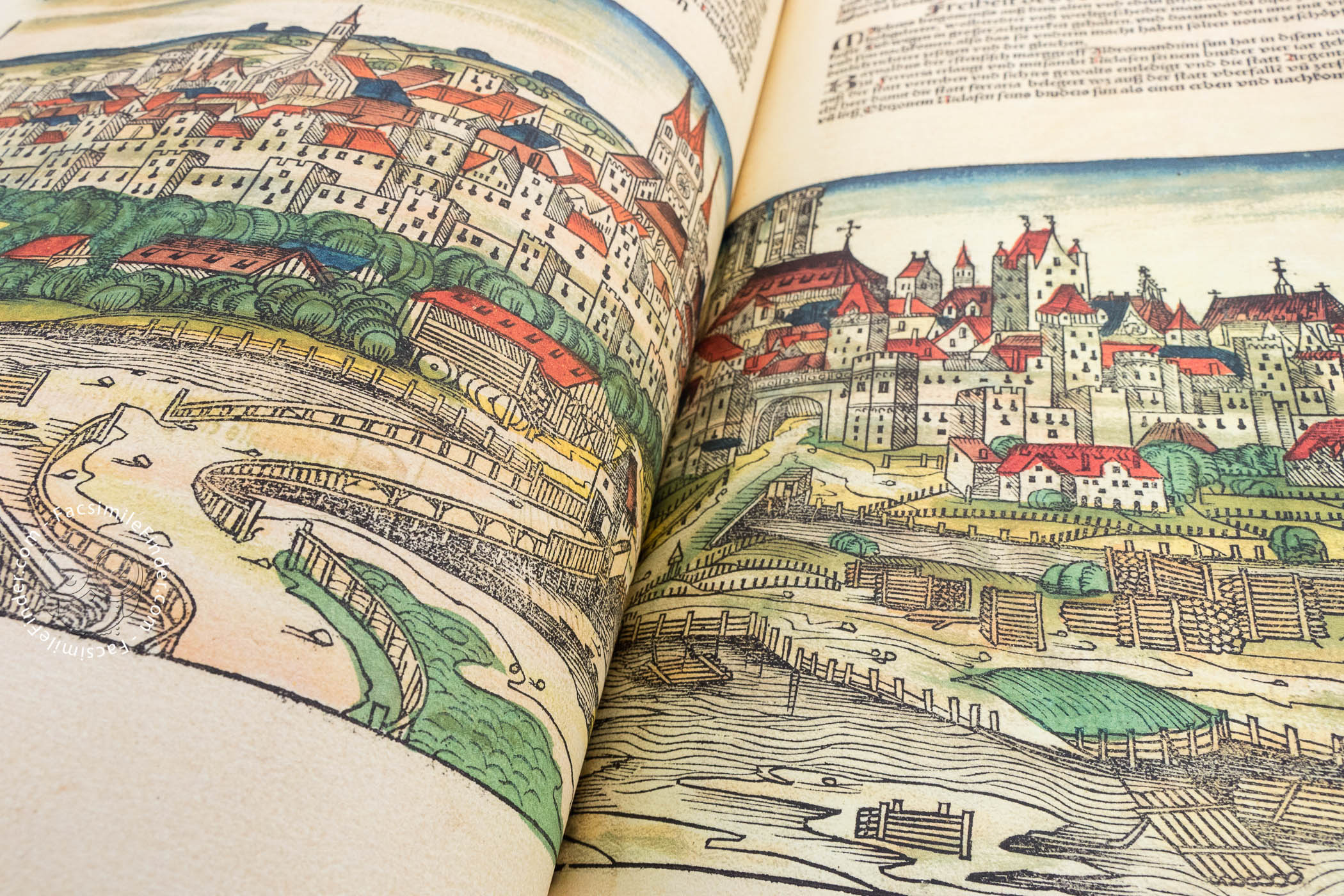
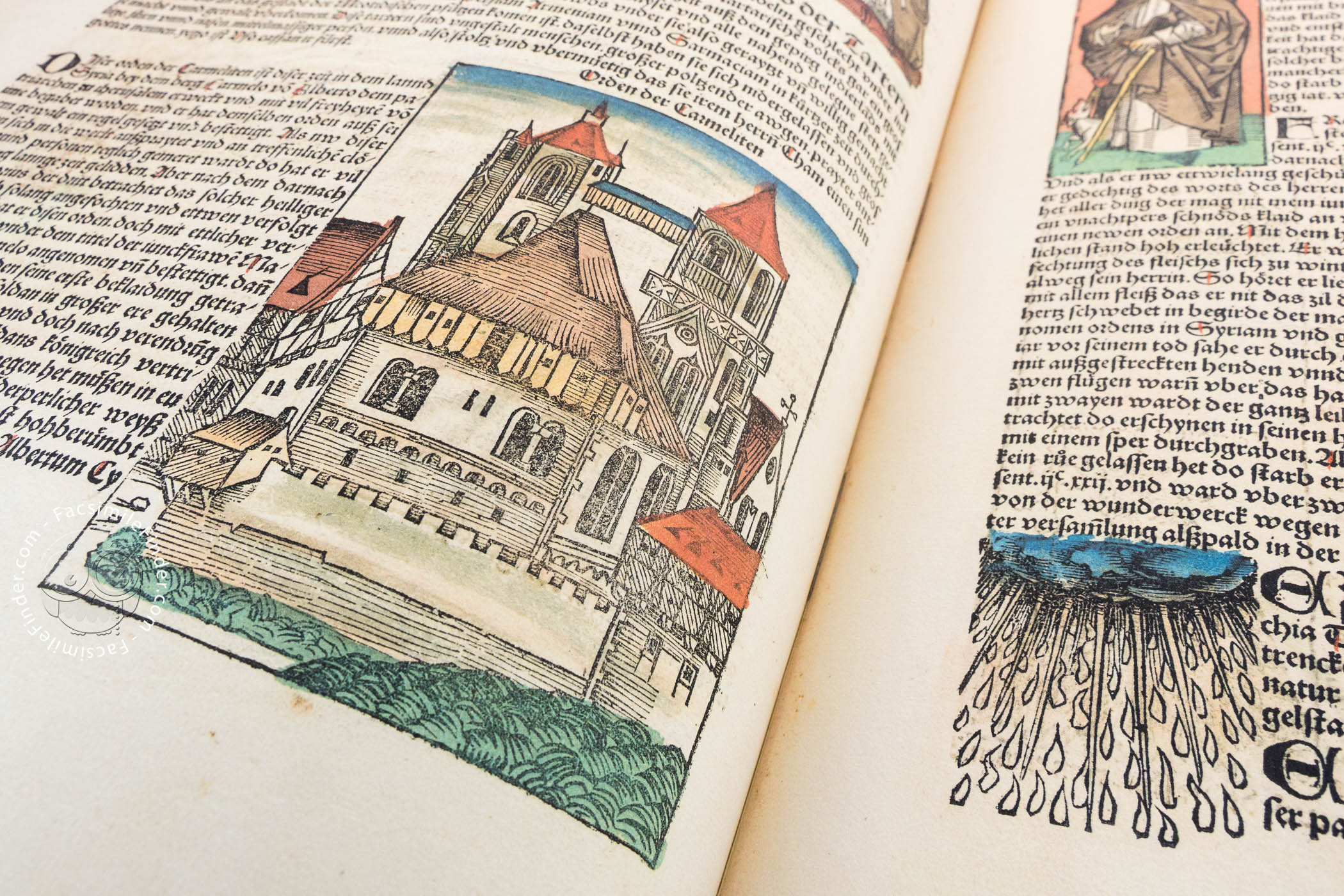
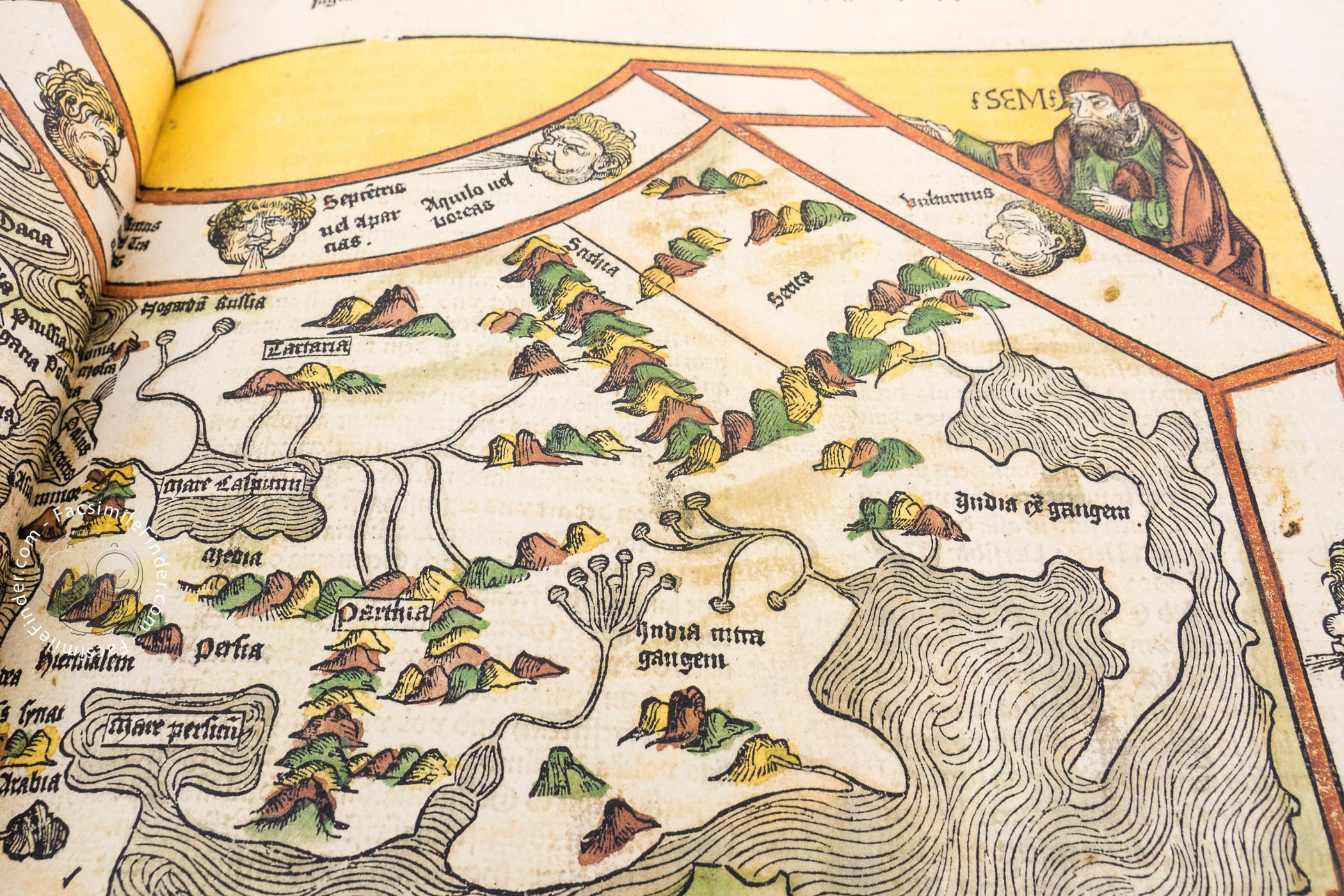
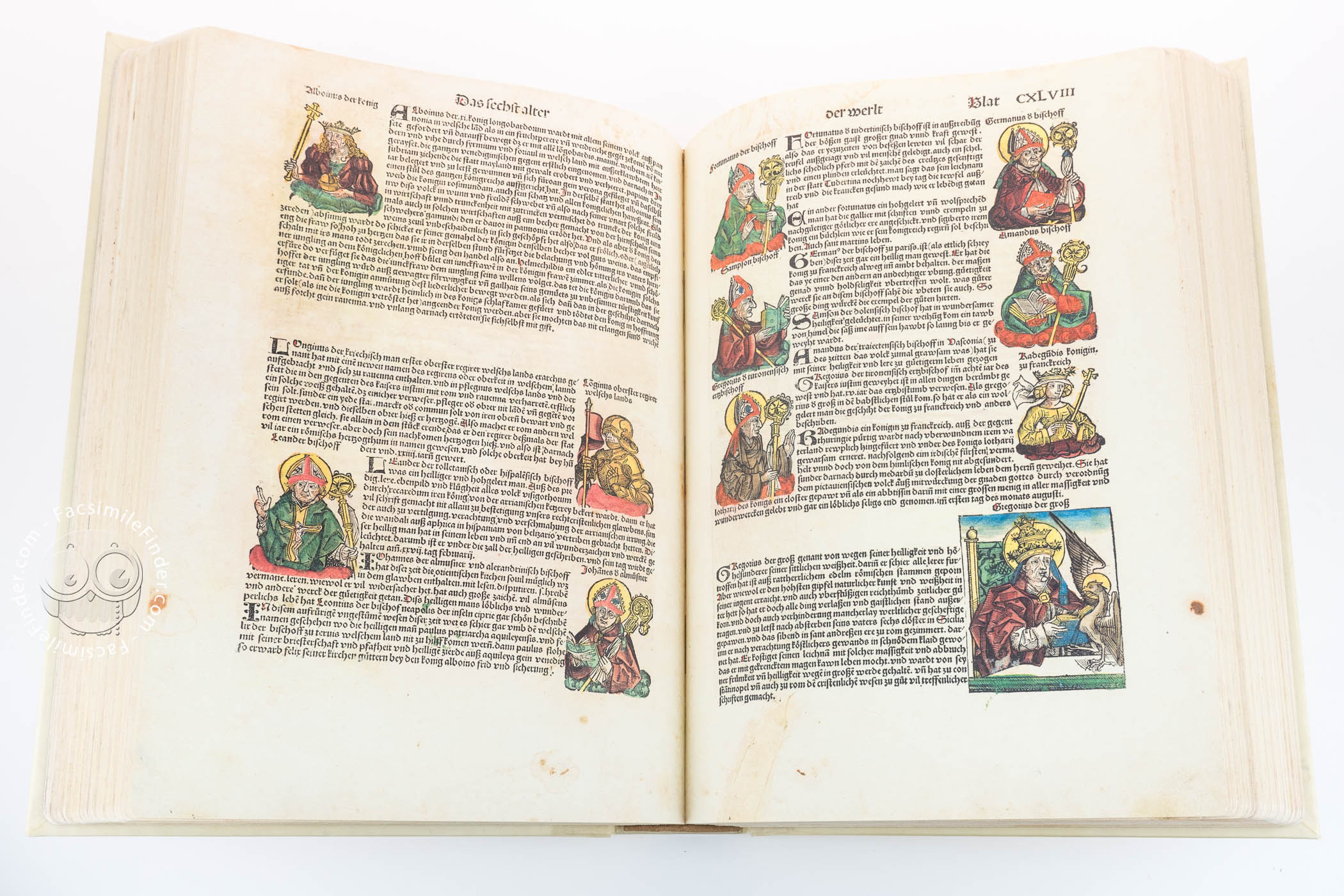
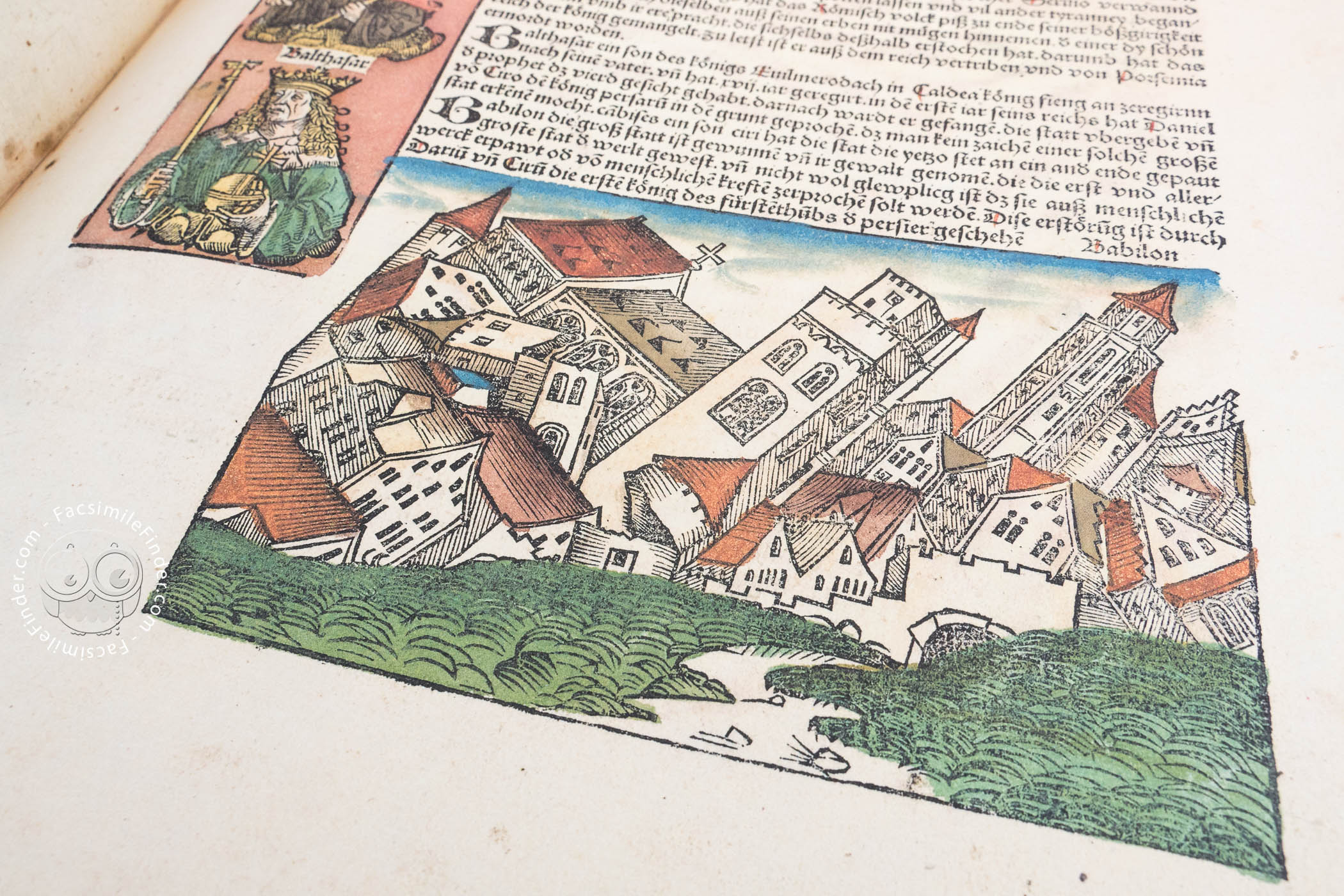
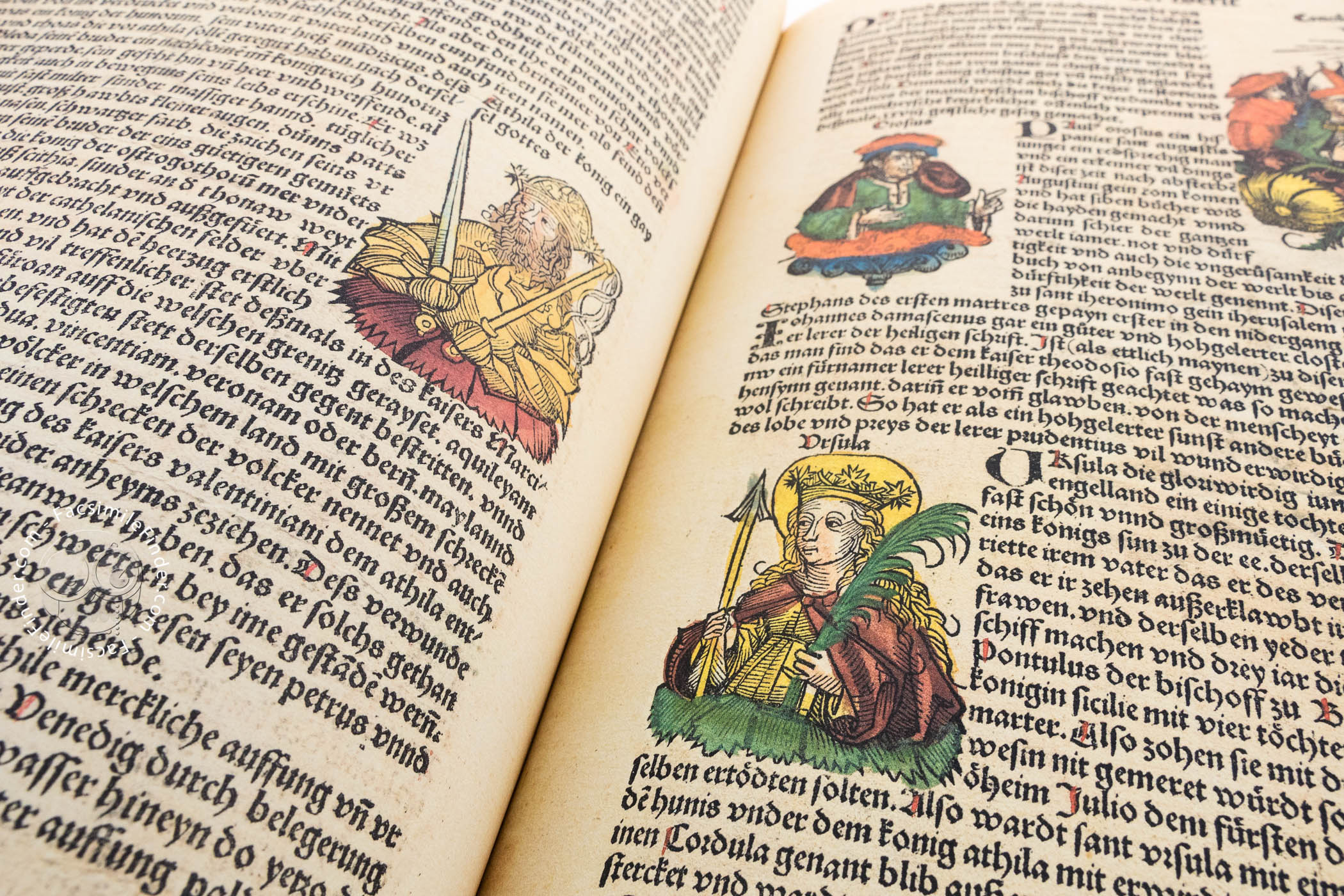
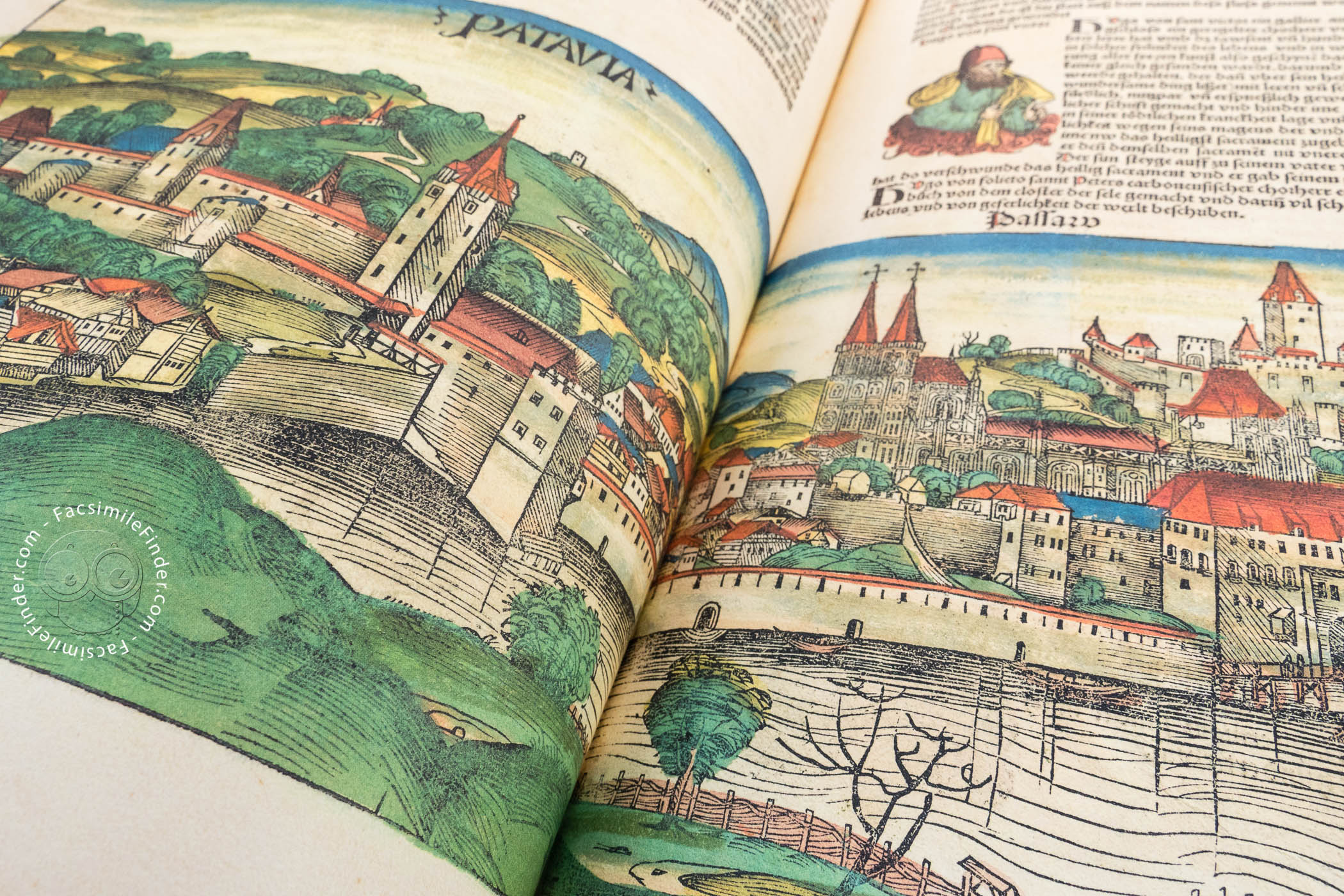
The Nuremberg Chronicle is renowned for its astonishing pictorial program. It contains 1,809 woodcut illustrations, including 645 printed from original blocks, enhanced in the most luxurious tradition with entirely hand applied color. This finish was typically reserved for copies destined for princely and elite libraries. Among its most compelling features is its visual mapping of the world, a panorama of geography and history in which observation and imagination often meet. This reflects both the reach and the limits of late medieval knowledge. Particularly striking are the large, topographically inspired city views of major Franco German and Italian centers, including Rome, Venice, Florence, and Genoa. Their recognizable profiles anchor the Chronicle’s global vision in the lived urban realities of Europe.
We have 3 facsimiles of the manuscript "Nuremberg Chronicle - Weimar Copy":
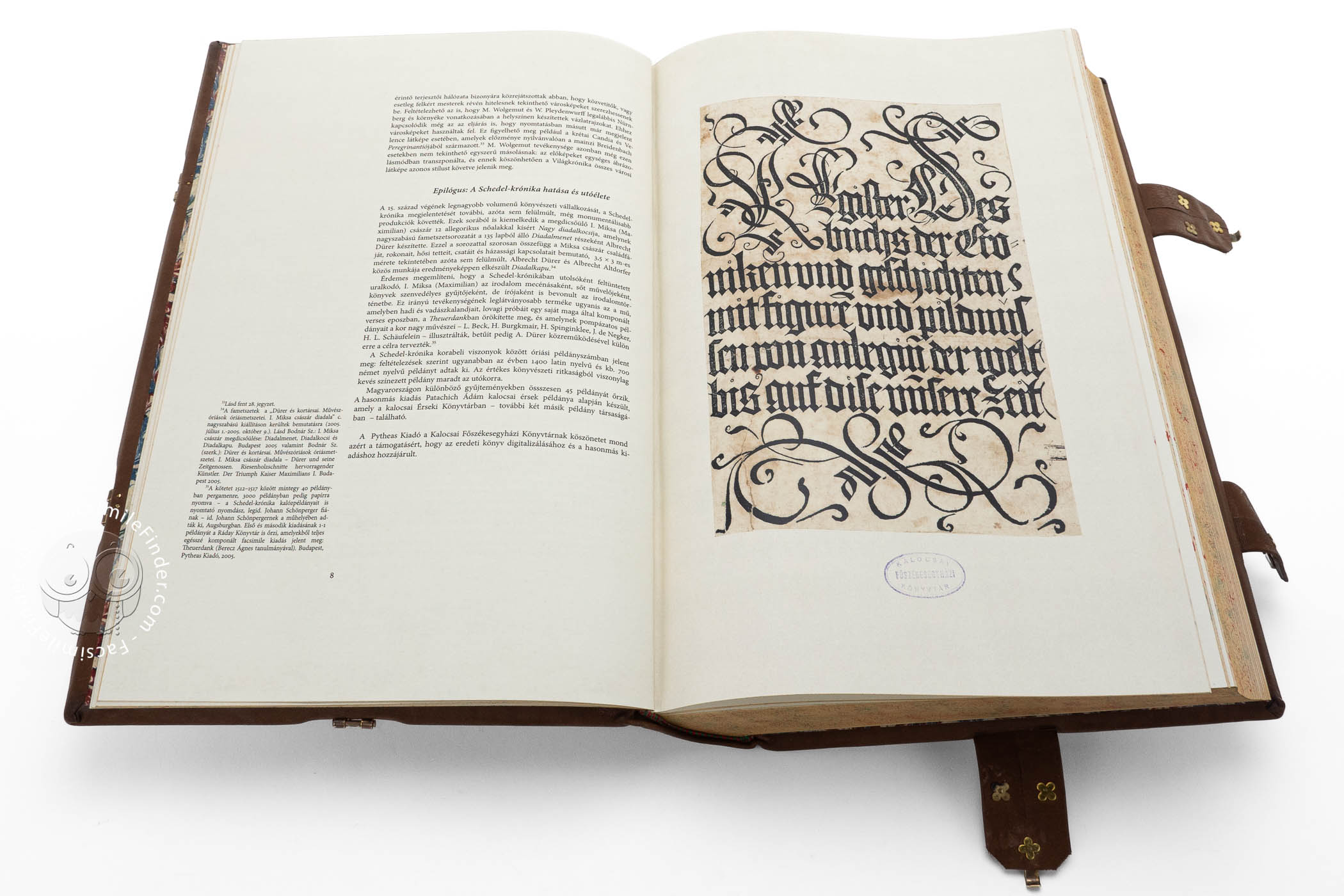
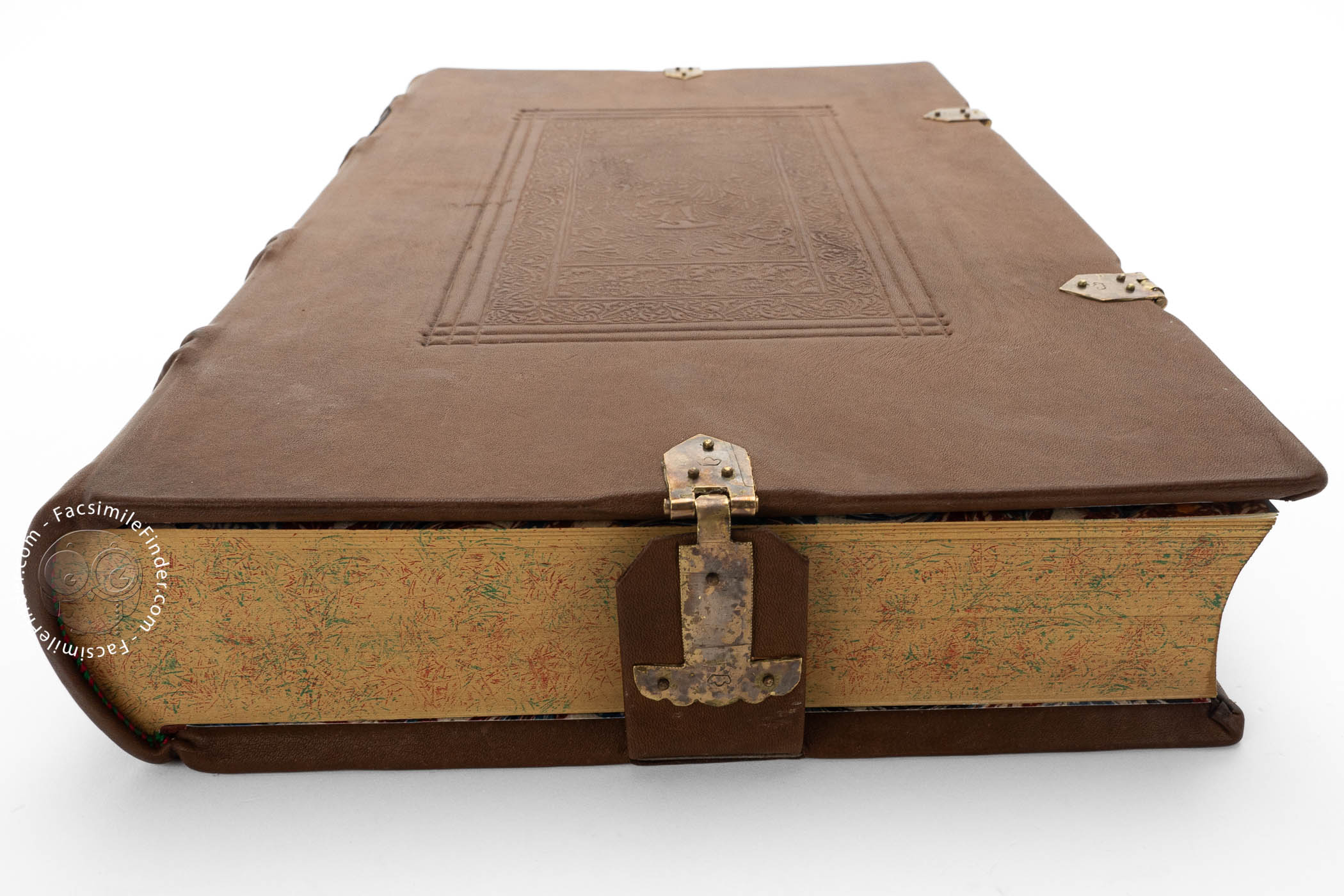
- Hartmann Schedel: Liber Chronicarum Das Buch der Chroniken facsimile edition published by Pytheas Books, 2020
- Weltchronik - Le cronache di Norimberga facsimile edition published by Il Bulino, edizioni d'arte, 1993
- Hartmann Schedel, Weltchronik - Nürnberg 1493 facsimile edition published by Edition Libri Illustri, 1993